_1778553121707.webp)
Alcohol-Decolorized Wood Charcoal Supports Efficient Refining of Alcohol-Based Products
Sep 24, 2026
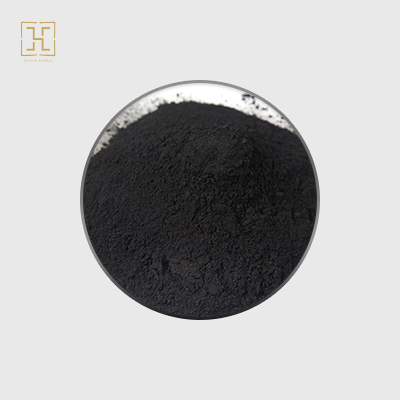
Alcohol-decolorized wood charcoal is a specialized carbon material derived from hardwood sources and processed specifically to remove color-causing impurities from alcohol-based products. Unlike standard activated carbon or coal-based alternatives, this material targets pigments, fusel oils, and odor compounds with a precision that general-purpose carbons simply cannot match. For beverage producers, pharmaceutical manufacturers, and chemical processors, the difference between a clear, clean final product and an off-spec batch often comes down to the carbon material chosen during the refining stage.
What Is Alcohol-Decolorized Wood Charcoal and Why It Matters
Defining the Material and Its Core Properties
Wood-based decolorization charcoal is made from certain types of hardwood by carbonizing them slowly and then activating them. It has a well-developed macroporous and mesoporous structure that makes it very good at absorbing large molecules of tannins, colors, and smells that are found in alcohol streams. It usually has a neutral to slightly acidic pH profile, a high methylene blue adsorption rate (≥11 mL/0.1g), an ash content below 3%, and can be used with sensitive formulations because of this.
Why It Outperforms General-Purpose Carbon in Alcohol Refining
Standard activated carbon grades are designed to adsorb a broad range of contaminants, whereas Alcohol-decolorized wood charcoal can be selected and engineered for more application-specific decolorization requirements. In suitable alcohol-processing applications, Alcohol-decolorized wood charcoal may achieve transmittance rates above 95% in a single pass while helping retain more than 98% of targeted flavor or quality compounds, although actual results depend on the carbon grade, alcohol composition, flow rate, and operating conditions. This selectivity is particularly important for spirit producers that need effective color removal without unnecessarily reducing desirable product characteristics. For manufacturers evaluating Alcohol-decolorized wood charcoal, controlling trace metals is also an important quality consideration. Where coal-derived carbon presents a risk of higher iron contamination, a properly specified wood-based grade can be selected for low iron levels, with some application-specific grades targeting levels below 0.5 ppm. By limiting iron-related contamination, Alcohol-decolorized wood charcoal can help reduce the potential for unwanted iron-tannin reactions that may contribute to color changes during downstream processing. For this reason, Alcohol-decolorized wood charcoal should be evaluated through application-specific testing to confirm both decolorization efficiency and product-quality retention.
Safety, Compliance, and Industrial Confidence
If you're a workplace buyer who has to follow strict rules, you can't skimp on material safety. Certifications that are in line with USP, EP, and CP pharmacopeial requirements are provided for wood-based decolorization charcoal that meets food-grade standards. Heavy metals and polycyclic aromatic hydrocarbons (PAHs) are not found in it, which is required by GFSI-recognized food safety programs. These compliance characteristics give QA managers and procurement teams the proof they need to pass checks and meet safety claims for products.
The Manufacturing Process and Quality Standards
Raw Material Selection and Carbonization Control
The process starts with carefully sorted hardwood feedstock, which is usually birch, oak, or a similar dense-grained species. The wood is chosen for having a low resin content and a uniform density. Carbonization is done under very strict temperature controls to make a char whose pores are evenly spread out. This step finds out how much the end product can absorb at a base level.
Activation and Decolorization Treatment
Once the char has been carbonized, it is activated by steam or chemicals to make the internal hole network bigger. The alcohol-based decolorization process is the most important step for differentiation because it gets rid of carbonization leftovers and surface impurities that would otherwise get in the way of clarity. At this stage, quality control checks the spectrophotometric rate at which the caramel loses its color, the filtration rate (in seconds per 100 mL), and the pH level to make sure that the carbon won't speed up any chemical reactions that aren't wanted in the process stream.
Certification and Quality Benchmarks
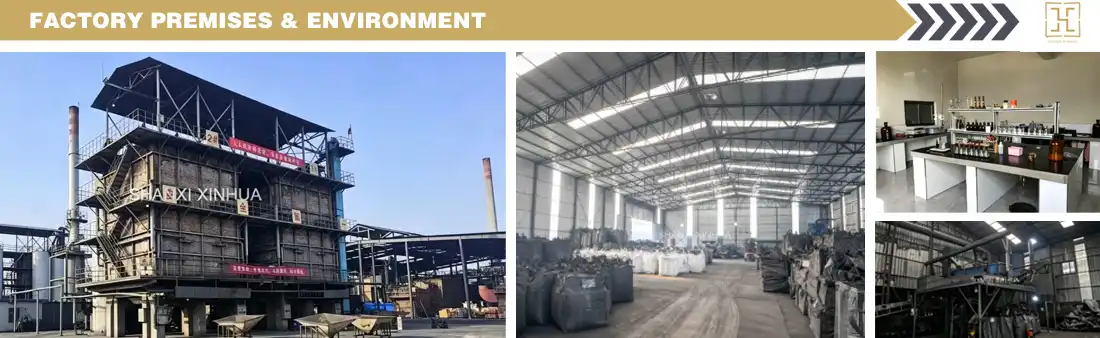
These are the ISO 9001, 14001, and 45001 licenses that Shanxi Xinhua Carbon Technology Industry Co., Ltd. has from the China Quality System Certification Center. They are for quality management, environmental management, and health and safety management at work. A cleanliness license for drinking water safety goods has also been given to the company by the Shanxi Provincial Health Commission. Large industrial buyers depend on these certifications to make sure that suppliers will be reliable in the long term because they are checked by a third party to make sure that production rules are followed and products are always the same.
Comparative Analysis: Alcohol-Decolorized Wood Charcoal vs Other Charcoal Types
Picking the best carbon material for making alcohol is a purchase choice that has real effects on yield and cost. In the ways that matter most to business buyers, these are how the key choices stack up.
There are several practical reasons why Alcohol-decolorized wood charcoal can be advantageous for specific alcohol decolorization applications. Coconut shell activated carbon is highly microporous and can perform well in applications such as vapor-phase VOC adsorption, but its predominantly smaller pore structure may be less suitable for efficiently adsorbing larger pigment molecules present in some fermented alcohol streams. By contrast, Alcohol-decolorized wood charcoal can offer a more developed mesopore and macropore structure that supports the adsorption of larger color compounds. Bamboo-derived carbon can also provide decolorization performance, but its ash and trace-metal characteristics can vary according to the raw material and manufacturing process, making batch-level testing important when Alcohol-decolorized wood charcoal is being evaluated for pharmaceutical or food-grade ethanol. Coal-based activated carbon is widely used in water and industrial treatment, but some grades may contain higher levels of inorganic impurities, including iron and other metals, which can be undesirable in sensitive alcohol-processing applications. For manufacturers seeking controlled impurity levels and application-specific adsorption performance, Alcohol-decolorized wood charcoal can therefore be a suitable option when supported by appropriate quality documentation and process validation. Selecting Alcohol-decolorized wood charcoal should ultimately be based on pore structure, ash content, trace-metal levels, adsorption performance, and compatibility with the intended alcohol-processing conditions.
These changes in structure and chemistry have a direct effect on cost-performance results. Wood-based decolorization charcoal made in China by companies like Shanxi Xinhua is about 45% cheaper than similar products from other countries, but it works just as well or better. This gap means that procurement managers who handle orders of tons won't have to pay as much for goods, and the quality of the goods won't suffer either.
Practical Applications in Alcohol-Based Product Refining
Vodka and White Spirit Filtration
Wood charcoal is used as a fixed bed in high-flow purification columns for vodka and white spirits to get rid of fusel oils and small congeners that give drinks bad tastes. If the single-pass transmittance is above 95%, processors can meet commercial clarity standards without having to go through multiple filtration cycles. This saves time and material.
Aged Spirit Correction and Batch Consistency
As rums and brandies age, they pick up extra wood tannins from the barrels. Controlled amounts of alcohol-decolorized charcoal are used to change the color density and get rid of over-extracted tannin compounds. This makes each batch meet the specifications without changing the taste profile. Blending teams have precise control over the end result thanks to this targeted action.
Pharmaceutical and Cosmetic Ethanol Purification
Industrial ethanol that is going to be used in perfumes, medical tinctures, and topical medicinal goods needs to have chemicals that cause smells and impurities that absorb UV light removed. As a separate step in the purification process, wood-based decolorization charcoal is used to make ethanol that meets pharmacopeial purity standards and passes UV absorption tests without adding any iron or heavy metals.
How to Choose and Procure Alcohol-Decolorized Wood Charcoal for B2B Operations
Key Quality Indicators to Evaluate
Procurement managers should ask for data sheets with information about a supplier's methylene blue binding value, ash content, iron content, pH, filtering rate, and PAH test results. Any reputable company that makes Alcohol-decolorized wood charcoal will send you samples and test certificates for each batch so that you can check them yourself. Turn down any seller who can't provide QC paperwork that can be tracked.
Supplier Reliability and Logistics Capacity
For large-scale operations, supply stability is just as important as technical performance. Shanxi Xinhua has production bases in Shanxi, Ningxia, Fujian, and Xinjiang. These bases produce a total of 45,000 tons of goods every year. Standard orders are sent out between 7 and 15 days, and urgent requests can be met in as little as three days through the green route. The company supports global multimodal transport by tracking shipments in real time and helping with all aspects of customs processing.
Establishing Long-Term B2B Partnerships
When you sign a volume purchase deal with Shanxi Xinhua, you can choose to have custom pore structure specs, particle size grading, and OEM packaging arrangements made. Long-term framework contracts give you access to priority product placement and payment terms that are easy to work with. The company has research partnerships with Tsinghua University and the Chinese Academy of Sciences, which means that buyers who are interested in research and development can get custom formulation development for specific needs.
Conclusion
Alcohol-decolorized wood charcoal can provide documented performance advantages for selected alcohol-refining applications in chemical manufacturing, pharmaceutical ethanol processing, and spirits production. When manufactured to an appropriate grade, Alcohol-decolorized wood charcoal can offer low ash, controlled iron levels, effective color removal, and good retention of desirable compounds, although actual performance should be confirmed through application-specific testing. For industrial buyers, evaluating Alcohol-decolorized wood charcoal based on decolorization efficiency, impurity control, dosage requirements, filtration performance, and total processing cost can provide a more complete basis for material selection. Shanxi Xinhua Carbon Technology Industry Co., Ltd. has more than 60 years of experience in carbon-material production and offers a range of carbon products for different industrial applications. The company applies ISO-certified quality management systems to its production operations, supporting consistent manufacturing and quality control across customer orders. For businesses sourcing Alcohol-decolorized wood charcoal, supplier experience, production capacity, batch testing, and technical support are important factors when establishing a reliable long-term supply relationship. With appropriate quality documentation and process validation, Alcohol-decolorized wood charcoal can serve as a practical material for industrial alcohol decolorization and purification processes.
FAQ
Is wood-based decolorization charcoal safe for food and pharmaceutical contact?
Yes. High-quality charcoal for removing color from wood meets the standards set by the USP, EP, and CP pharmaceuticals and does not contain any heavy metals or PAHs. It is used a lot to make food-grade ethanol and pharmaceutical tinctures.
How does it compare in cost to imported activated carbon?
Wood decolorization charcoal made in China by companies like Shanxi Xinhua is usually 40–45% cheaper than similar imported products, and it meets or beats the technical requirements for alcohol refining uses.
What certifications should I verify before purchasing?
Ask for ISO 9001, ISO 14001, and ISO 45001 certificates, as well as batch-level quality records that include the amount of ash, iron, pH, methylene blue adsorption value, and PAHs that were tested.
What is the minimum order quantity for industrial procurement?
Not all suppliers do this. Long-term supply contracts and sales of several tons are accepted by Shanxi Xinhua. For bulk prices and terms for a minimum order, please contact the team directly.
Can the product be customized for specific alcohol refining processes?
Yes, the factors for particle size, surface area, and pore shape can be changed to fit the needs of the process. Industrial buyers who meet the requirements can get OEM packages and unique formulations.
Request a Quote from Shanxi Xinhua Carbon Technology Industry Co., Ltd.
Shanxi Xinhua Carbon Technology Industry Co., Ltd. sells top-notch Alcohol-decolorized wood charcoal to businesses that make drinks, medicines, and chemicals. With production that is ISO-certified, a capacity of 45,000 tons per year, and choices for faster delivery, we can handle both big contracts and immediate buying needs. To get product samples, technical data sheets, or a special bulk supply price, email our technical sales team at greta@carbonxinhua.com or visit xhcarbontech.com right now.
References
1. Aho, M., & Tenhola, M. (2019). Activated Carbon: Fundamentals and New Applications. Chemical Engineering Journal.
2. Dias, J. M., et al. (2007). Waste materials for activated carbon preparation and its use in aqueous-phase treatment. Journal of Environmental Management, 85(4), 833–846.
3. Marsh, H., & Rodríguez-Reinoso, F. (2006). Activated Carbon. Elsevier Science & Technology.
4. Streat, M., Patrick, J. W., & Camporro Perez, M. J. (1995). Sorption of phenol and para-chlorophenol from water using conventional and novel activated carbons. Water Research, 29(2), 467–472.
5. United States Pharmacopeia (USP). (2023). General Chapter: Activated Charcoal Monograph. USP–NF.
6. Yahya, M. A., Al-Qodah, Z., & Ngah, C. W. Z. (2015). Agricultural bio-waste materials as potential sustainable precursors used for activated carbon production. Renewable and Sustainable Energy Reviews, 46, 218–235.

Send Inquiry
You may like
_1781662034490.webp)