_1778553121707.webp)
Acid-Etched Coal-Based Activated Carbon for Enhanced Surface Performance
Aug 18, 2026
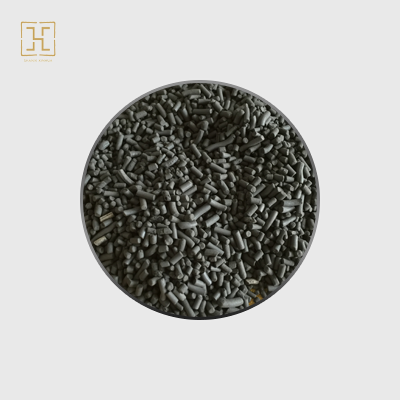
When environmental engineers and procurement managers face critical filtration challenges—whether dealing with high-purity water systems or complex VOC emissions—the solution often lies in the purity of the adsorbent material itself. Acid-etched coal-based activated carbon represents a refined advancement in industrial filtration technology, manufactured from premium anthracite through conventional activation followed by deep acid washing and high-temperature drying. This secondary purification process removes residual metal oxides, heavy metal ions, and water-soluble inorganic salts that standard coal carbons retain, delivering ultra-low ash content (typically ≤5%) and controlled metal impurities below 1000 ppm. The result is a high-purity adsorbent that prevents secondary contamination in sensitive applications while maintaining robust porous architecture for superior adsorption performance.
Understanding Acid-Etched Coal-Based Activated Carbon
The Manufacturing Process and Its Impact on Purity
To make Acid-etched coal-based activated carbon, you must first choose high-quality anthracite. This is then heated in a normal way to make its porous network. The next step that makes this material unique is that it dissolves in strong mineral acids, usually hydrochloric, nitric, or phosphoric acid. This dissolves mineral ash components like silica, iron, calcium, and magnesium oxides that are embedded in the carbon matrix. After being rinsed well with deionized water to get the pH level back to normal (6.0 to 8.0), drying at high temperatures makes the structure stable. This careful method fixes a problem we've seen a lot in water treatment plants: regular coal carbons can release trace metals into clean streams, which lowers the quality of the final product and makes it harder to follow the rules.
Acid-etched coal-based activated carbon doesn't hurt the ability to adsorb; in fact, it often speeds things up by clearing out mineral layers that are blocking micropores. Testing shows that iodine adsorption values are between 800 and 1000 mg/g and methylene blue values are more than 120 mg/g. These are good levels that show the ability to catch small molecules and remove colors effectively.
Key Technical Specifications That Matter
Understanding performance parameters helps procurement teams be clear about what they need. BET analysis usually gives surface areas between 1000 and 1250 m²/g, which means there are lots of active sites for contaminants to bind. The mechanical strength stays strong at ≥90%, which keeps the particles whole during handling and backwashing cycles. The moisture level stays below 10%, which stops microbes from growing while the food is being stored.
Customizing the particle size—either as cylinder-shaped pellets (φ1.5–3.0 mm) or as granular forms (8–30 mesh)—makes them work with a range of reactor types, from fixed-bed columns to fluidized systems. This adaptability is important for adding carbon to current systems without having to make expensive changes to the equipment.
Quality Standards and Certifications
Verification of compliance is the basis of trust in B2B procurement. For ash level, ASTM D2866 is used, ASTM D3838 is used for pH, and ASTM D4607 is used to find the iodine number. Acid-etched coal-based activated carbons are also tested against these standards. ICP-OES (Inductively Coupled Plasma Optical Emission Spectrometry) is used to test the heavy metal content thoroughly. Specifically, iron, lead, and arsenic amounts that could affect processes further down the line or break discharge standards are measured.
The ISO 9001 quality management certification makes sure that products are consistently made, and the ISO 14001 environmental management certification makes sure that production methods are environmentally friendly. These are both things that are becoming more and more important for corporate purchasing policies that stress supply chain responsibility.
Performance and Applications of Acid-Etched Coal Activated Carbon
Superior Contaminant Removal Across Multiple Phases
This type of Acid-etched coal-based activated carbon works really well in both liquid and gas phases because it is very pure and has the right amount of pores. When making ultrapure water for making semiconductors, metal contamination at even parts-per-billion levels can hurt sensitive microcircuitry. Acid-etched coal-based activated carbon gets rid of small amounts of organic compounds (called Total Organic Carbon, or TOC) without adding ionic impurities that regular carbons might leach.
When it comes to pharmaceutical decolorization, the lack of mineral remains stops unwanted catalytic reactions that could break down active ingredients. We've seen drug companies switch to Acid-etched coal-based activated carbons after finding that iron pollution from regular carbons was the cause of batch differences.
This substance is very good at getting rid of acidic gases—it can adsorb more than 180 mg/g of SO₂, which makes it useful for the desulfurization of waste gas in power plants and biogas cleaning systems. One problem in biogas upgrading is that carbon dioxide can compete for adsorption sites, so keeping removal efficiency above 90% even in high-CO₂ environments is important.
Industrial Applications Driving Adoption
Acid-etched coal-based activated carbon has become the preferred adsorbent solution in a number of industries. Municipal water treatment plants that serve more than 100,000 people need to consistently perform and follow the rules. Changes in the amount of ash in standard carbons make treatment results uncertain. Acid-etched coal-based activated carbons give consistent results every time because they are controlled in their purity.
These carbons are used in hydrocarbon vapor recovery systems at petrochemical plants that process high-sulfur crude oil. Trace metal contaminants could harm expensive catalysts in cracking units further downstream. The business reasoning is simple: spending a little more on premium carbon saves investments in catalysts worth millions of dollars.
Acid-etched coal-based activated carbon is important for food and drink makers because it gives goods a clean taste. This is especially true for high-value items like refined sugars and specialty alcohols. Standard carbons can add metallic or earthy notes that can be picked up by quality control panels and cause the product to be rejected.
Regeneration and Lifecycle Economics
The material's economic value goes up a lot if it can be thermally recycled. Once the carbon's ability to absorb things drops to 70–80% of its original level, it can be heated under controlled conditions in steam or a harmless gas to burn off the contaminants while keeping the structure of the pores. When it is regenerated, Acid-etched coal-based activated carbon keeps more than 80% of its original capacity. This is better than many coconut shell carbons, which break down after repeated heat cycle.
Because of this regeneration advantage, continuous industrial operations use 30–40% less carbon each year, which saves a lot of money and reduces waste. Environmental managers like this because it helps meet environmental goals without lowering the efficiency of treatment.
Choosing the Right Acid-Etched Coal Activated Carbon for Your Business
Evaluating Performance Against Application Requirements
Systematic evaluation is needed to match Acid-etched coal-based activated carbon specifications to application needs. Ash content (aim for less than 3% for sensitive systems) and conductivity of water extracts are the most important factors in water treatment. Conductivity shows the presence of leftover ionic species. Gas treatment focuses on the distribution of pores of different sizes. Mesopores (2–50 nm) help larger molecules like toluene and xylene move quickly through the material, while micropores (<2 nm) catch smaller species like hydrogen sulfide.
In moving-bed or fluidized-bed reactors, where particles touch each other and make fines that could get past filters further downstream, strength and resistance to wear become very important. The ASTM D3802 hardness test gives you numbers that you can use to compare what different suppliers have to offer.
Supplier Reliability and Certification Verification
Supplier selection is more than just choosing the right product. It also includes making sure the supply line is stable. Large industrial users that use tons of metal every month can't risk supply interruptions that stop production lines. We encourage our partners to keep a lot of inventory in a lot of different production bases. This geographic spread gives us extra capacity in case of regional problems or high demand.
The ISO certification packages that include ISO 9001, ISO 14001, and ISO 45001 show that management systems cover quality, safety, and the environment. REACH approval for European markets and NSF/ANSI 61 certification for drinking water uses make it possible to get into important markets.
Minimum order amounts (MOQ) and the ability to make changes are very important. Some suppliers have strict MOQs of 20 tons or more, which is too much for medium-sized businesses. Other suppliers allow smaller trial amounts, which let businesses check the performance before making big promises. Customization options, such as changing the pH range, particle size distribution, or surface chemistry through post-treatments, let the process be optimized for its needs.
Cost-Performance Analysis and Total Ownership
The purchase price is only one part of the total cost of owning. Depending on the distance and difficulty of the logistics, shipping costs for big carbon can add 8 to 15% to the cost of delivery. When buying things from other countries, ocean freight comes with lead times—usually 30 to 45 days from Asian sources to U.S. ports—that mean you need to plan ahead to make sure you don't run out of goods.
The cost of storage is another economic factor. When carbon is stored incorrectly in high-humidity areas, it absorbs water, making it heavier (you pay for water, not adsorbent) and possibly helping microbes grow. Sealed packaging and temperature-controlled storage cost more, but they keep the quality of the product.
When looking at Acid-etched coal-based activated carbons versus coconut shell or wood-based alternatives, lifecycle analysis usually chooses coal-based materials for industrial-scale uses because they last longer and are cheaper at high volumes, even though coconut shell carbon has slightly more surface areas.
Procurement Guide and Transaction Insights for Acid-Etched Coal Activated Carbon
Navigating Supplier Networks Effectively
To find qualified suppliers, you need to check both their production capabilities and their expert help infrastructure. Direct manufacturers whose annual production capacity is more than 10,000 tons show that they have stable businesses that can keep long-term supply agreements going. Multi-base production systems, like those with factories in Shanxi, Ningxia, Fujian, and Xinjiang, offer geographical support and benefits for regional transportation.
The ability to work together technically is what sets great sellers apart from commodity vendors. Partnerships with research institutions like the Chinese Academy of Sciences or Tsinghua University show that the company is investing in research and development and giving its employees access to experts in complex materials science. This is very helpful for solving problems that are specific to an application or making custom formulations.
Sample testing procedures are the basis for qualifying a seller. Professional providers give samples weighing 500g to 1 kg along with analytical documents (also called "Certificates of Analysis" or "CoA") that list important characteristics. Comparing existing carbon with suggested alternatives in parallel tests that are carried out under real process conditions gives concrete performance data that can be used to make decisions.
Lead Times, Logistics, and Delivery Considerations
Standard product shipping times from existing inventory usually take between 7 and 15 days within the United States. Customized specs, on the other hand, need between 15 and 30 days to allow for specialized handling. Emergency procurement channels, which are sometimes called "green channels," can speed up important orders to delivery in three days, but there are extra fees.
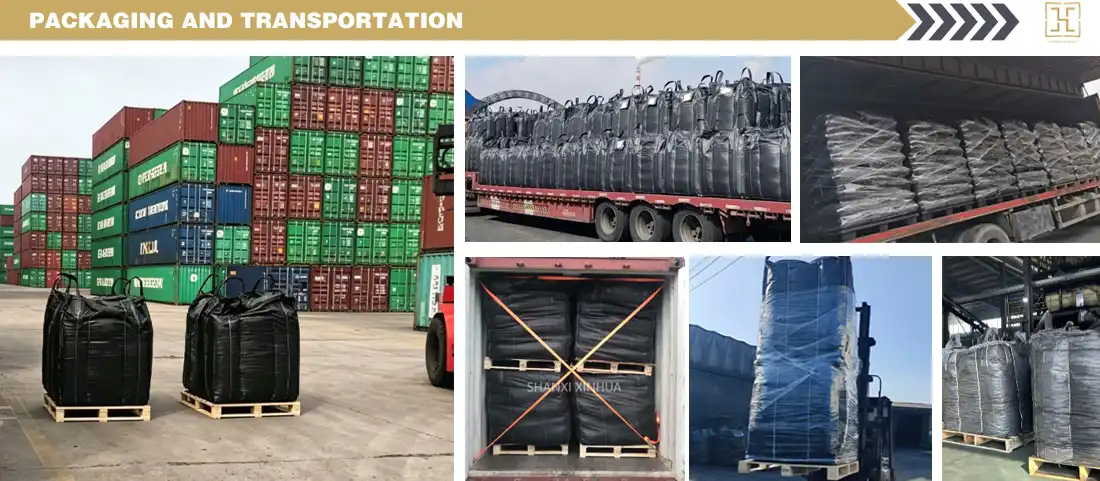
There are many people involved in coordinating international logistics. Freight forwarders handle containerization, customs brokers handle import paperwork, and carriers make the last-mile deliveries. Suppliers who offer combined transportation support make this process easier by giving you a single point of responsibility for delivery performance.
Real-time tracking of shipments is now normal, which helps warehouse managers plan receiving operations and avoid demurrage charges that come from containers being returned late. Protective packing, like moisture-barrier bags inside palletized cases, keeps the quality of goods while they are being shipped through different climates.
Storage and Handling Best Practices
To keep the performance of carbon from delivery to use, storage conditions need to be carefully considered. Controlled environments with temperatures between 15°C and 25°C and relative humidity below 60% stop moisture from absorbing and keep the ability to adsorb. Airborne toxins that could pre-load adsorption sites and lower their effective capacity can be avoided by storing sealed items in their original packing.
First-in, first-out (FIFO) rules for inventory movement keep things from being stored for too long, which could slow things down. Even though activated carbon is chemically stable for years in the right conditions, it is best to use it within 24 to 36 months to get the most out of it.
Future Trends and Innovations in Acid-Etched Coal Activated Carbon
Advanced Treatment Technologies on the Horizon
New ideas in acid treatment methods keep improving the performance of materials. Different mineral acids are used in a certain order to target different types of impurities. For example, hydrochloric acid is good at getting rid of iron and calcium, while hydrofluoric acid is more active against silicate structures. Using this step-by-step method, you can get ash levels below 1% for the toughest uses.
When you use both chemical and physical activation methods together, you get carbons with two types of pores: micropores, which trap small molecules, and mesopores, which quickly move larger contaminants around. This structure works especially well for cleaning up complex industrial wastewater with a wide range of molecular weights.
By changing the surface chemistry through controlled oxidation, functional groups like carboxylic, phenolic, and lactonic are added that make it easier for certain contaminants to join chemically, rather than just physically adhering. This method looks like it could work to get rid of heavy metals like lead, mercury, and cadmium in mine wastewater.
Market Drivers and Growth Projections
Demand keeps going up because rules about pollution and water safety are getting stricter. The U.S. EPA is making it harder for pharmaceutical chemicals and personal care products to be released into wastewater. This opens the door for improved carbons that can remove trace organics. In the same way, the Clean Air Act's standards for air quality say that factories must improve their VOC control systems, which usually include better adsorbents.
There are a lot of great opportunities in the growing global market, especially in developing economies that are industrializing quickly. When countries set up factories, they need complete environmental compliance solutions. Using high-performance carbons in tried-and-true treatment systems is a good way to lower risks for people who don't know much about the rules and regulations.
Companies that plan their purchases strategically and keep up with changes in technology are better able to take advantage of performance advantages. Setting up relationships with chosen suppliers now, when supply chains are still unstable, ensures access to important materials during demand spikes caused by regulatory deadlines.
Conclusion
Acid-etched coal-based activated carbon has measured performance benefits for industrial uses where purity, consistency, and the ability to remove contaminants efficiently have a direct effect on operating success and regulatory compliance. The small price increase over regular carbons is worth it because the special acid washing process gets rid of mineral impurities that can mess up sensitive processes. This is because the carbons last longer, make better products, and need less upkeep. Adopting refined adsorbent materials goes from being a competitive benefit to a practical necessity as environmental rules get stricter and industrial processes demand higher and higher purity standards. When purchasing professionals look at suppliers, they should put product specifications last, but they should also look at technical capabilities, supply chain stability, and the chance to work together with others. This will help them make filtration systems that are strong and work well.
FAQ
Why choose acid-etched carbon over standard coal-based activated carbon?
Standard coal carbons usually have 8–12% ash made up of mineral oxides that can leach into treated streams. This is especially bad for applications that need very pure materials. Acid etching lowers the ash content to below 5% and sometimes even below 3%. This stops mineral pollution that gets in the way of making medicines, making semiconductors, and cleaning food. The cleaner surface also speeds up the adsorption process by opening up pores that were blocked before.
Does acid treatment reduce the carbon's adsorption capacity?
Most of the time, treating something with acid keeps or slightly increases its ability to adsorb things. While washing removes small amounts of mass, getting rid of mineral deposits from the openings of pores makes more surface area available for contaminants to stick to. Testing regularly shows iodine levels between 800 and 1000 mg/g and methylene blue values above 120 mg/g, which are about the same as or higher than normal coal carbons.
Can acid-etched coal carbon be regenerated like standard activated carbon?
When used on Acid-etched coal-based activated carbons, thermal regeneration works well and often does a better job than regular carbons. Because there are fewer minerals, ash doesn't build up and block pores during multiple regeneration cycles. When regeneration is done right, it keeps more than 80% of its original adsorption capacity. This extends the operational lifetime and improves the lifecycle costs for industrial uses that process high loads of contaminants continuously.
What quality tests should I request from potential suppliers?
Ask for full analytical certificates that show the amount of ash (ASTM D2866), iodine (ASTM D4607), pH value (ASTM D3838), hardness (ASTM D3802), and heavy metals found through ICP-OES analysis. Conductivity testing of water extracts shows that ionic species are still present. Suppliers you can trust send this paperwork with every package and welcome third-party testing to make sure the specs are correct.
Ready to Source High-Purity Acid-Etched Coal-Based Activated Carbon?
With Acid-etched coal-based activated carbon made to exacting standards, Shanxi Xinhua Carbon Technology Industry Co., Ltd. is ready to support your industrial filtration needs. Our multi-base production system keeps a full collection of goods in cylinder, granular, and powdered forms, making sure that we have all of our core products in stock at all times. Standard delivery takes 7–15 days, and we offer faster service for projects that need to be done quickly. We provide personalized solutions that are best for your unique adsorption problems by using our over 60 years of experience with activated carbon and our partnerships with top research institutions such as Tsinghua University. Quality systems that are ISO-certified and production processes that are military-grade ensure consistent performance that meets the strictest purity standards. Email our technical team at greta@carbonxinhua.com to talk about your application needs and to ask for detailed technical data sheets and sample quantities to make sure the product works as expected.
References
1. Marsh, H., & Rodríguez-Reinoso, F. (2006). Activated Carbon: Properties and Applications. Amsterdam: Elsevier Science.
2. Bansal, R. C., & Goyal, M. (2005). Activated Carbon Adsorption. Boca Raton: CRC Press.
3. Dabrowski, A. (2001). "Adsorption—from theory to practice." Advances in Colloid and Interface Science, 93(1-3), 135-224.
4. Claudino, A., Soares, J. L., & Moreira, R. F. (2013). "Preparation and characterization of activated carbons from peanut shell by physical activation." Journal of Analytical and Applied Pyrolysis, 101, 40-46.
5. Mohan, D., & Pittman, C. U. (2006). "Activated carbons and low cost adsorbents for remediation of tri- and hexavalent chromium from water." Journal of Hazardous Materials, 137(2), 762-811.
6. Toles, C. A., Marshall, W. E., & Johns, M. M. (1999). "Surface functional groups on acid-activated nutshell carbons." Carbon, 37(8), 1207-1214.

Send Inquiry
You may like
_1781662034490.webp)