_1778553121707.webp)
9mm coal cylindrical carbon vs other sizes: which performs better?
Jul 03, 2026
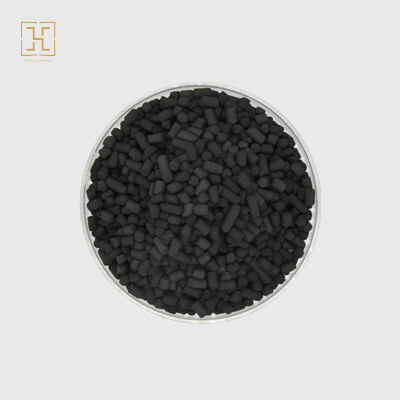
When looking at different types of activated carbon for commercial use, 9mm coal quality cylindrical carbon always does better than smaller and bigger options in tough conditions. This bigger width works great in systems with a lot of flow, where low pressure drop, long-lasting parts, and not getting clogged are most important. When there is a lot of dust, 4mm or 6mm particles quickly get blocked. But the 9mm size keeps its binding performance steady over long service cycles. Its well-developed macroporous structure reduces mass transfer resistance, which makes it perfect for getting rid of high concentrations of pollutants in wastewater and flue gas cleaning systems, where dependability directly affects compliance and costs.
Introduction
Choosing the right size of activated carbon is important if you want your environmental control system to meet government standards and avoid costly downtime. Buyers in the industrial sector who are in charge of reducing VOCs, treating wastewater, or removing sulfur from flue gases need materials that can work reliably in difficult circumstances. The 9mm cylindrical shape has become the best option for large-scale tasks where granular or smaller cylindrical carbons don't work well enough. To help purchasing managers, environmental engineers, and plant workers make smart buying choices, this comparison looks at technical specs, real-world performance data, and economic factors. We will look at how particle width impacts the effectiveness of adsorption, the strength of the material, and the overall cost of ownership in a variety of commercial settings.
Understanding 9mm Coal Quality Cylindrical Carbon
Chemical Composition and Physical Properties
The ultra-large diameter design of the 9mm coal quality cylindrical carbon makes it perfect for harsh working situations. These particles are 9mm (±0.2mm) across and have more than 50% porosity. This makes them strong enough to handle high-pressure, high-flow media without breaking. The substance has iodine values of up to 1100 mg/g, which shows that it has a lot of surface area and can absorb a lot of iodine. Particles with mechanical strength scores above 97% won't break apart during backwashing processes or long-term exposure to corrosive environments. The well-developed macroporous structure lowers the internal diffusion resistance, which makes it easier for contaminants to reach adsorption sites, even when there are a lot of them.
Manufacturing Process and Quality Control
Environmental Compliance and Sustainability
In addition to its main purpose as an adsorbent, the 9mm format has measured environmental benefits. It can be used for up to eight weeks before it needs to be replaced, compared to two to four weeks for smaller bits. This means that less material is used and thrown away. Because the carbon is so easily restored, it can be used again and again at high temperatures, which lowers costs and reduces trash. Power companies that use this material regularly get rid of more than 98% of SO₂, which means their pollution is well below the limits set by regulators. Chemical plants that clean wastewater with COD levels above 1000 mg/L report contamination decreases of more than 95%, which shows that the format works to meet strict discharge standards.
Comparing 9mm Cylindrical Carbon to Other Carbon Sizes
Performance Metrics Across Particle Sizes
Smaller activated carbon particles (4mm and 6mm) have more surface area per unit volume, but they are less durable and cause too many pressure drops in systems with a lot of flow. When cleaning dusty flue gas or wastewater with suspended solids, the 4mm size usually gets clogged within weeks and needs to be replaced more often, which costs more in work and system downtime. On the other hand, the 9mm size keeps its flow routes open throughout its service life, which stops premature saturation that leads to unplanned maintenance. Comparing the mechanical strengths of different sizes of particles shows that 9mm particles can handle backwashing pressures and rough media that turn smaller forms into powder and contaminate processes further down the line.
Larger sizes than 9mm, like 12mm or 15mm, lower the pressure drop even more, but they slow down the adsorption process. The longer diffusion path length inside larger particles makes it take longer for contaminants to be taken in, which makes them less useful in situations where pollution capture needs to happen quickly. The 9mm coal quality cylindrical carbon size is the best compromise between having enough mechanical strength for tough situations and keeping the internal pores open for effective mass transfer.
Application-Specific Advantages
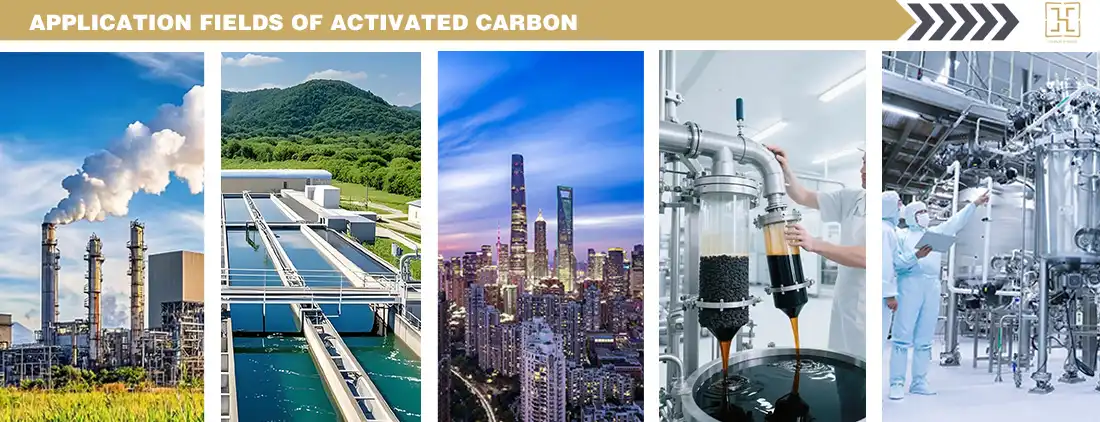
In large-scale desulfurization towers, where gas speeds and particle loads are too high for smaller carbons, the 9mm coal quality cylindrical carbon is what matters most. Power companies that use these systems say that replacement cycles are four times longer than with 6mm options. This means that each facility saves more than $500,000 a year. The format is better at absorbing heavy metals, which is good for mining operations. Gold recovery sites have reported Au− capture rates above 92%, which increases total recovery efficiency by 15%.
On the other hand, smaller particle sizes are better for uses that value surface area over sturdiness, like lab tests or low-flow water filtration in homes. The 9mm size wouldn't work well in these situations because it has bigger empty spots and moves more slowly when there isn't much to shoot at.
Cost-Efficiency Analysis
On average, 9mm coal quality cylindrical carbon costs 15–20% more per ton to purchase upfront than 4mm equivalents, but the larger size offers a significantly lower total cost of ownership. Material usage is reduced by 60–70% annually due to longer replacement intervals and extended service life. When backwashing is performed less frequently—typically once a month instead of twice a week—water, energy, and labor consumption are all reduced. Regenerability further enhances value, as high-temperature cleaning can restore adsorption capacity multiple times before the material ultimately needs to be replaced.
When coking plants move from 4mm to 9mm carbon, they save about $400,000 a year on running costs because they don't have to change the carbon as often, and the treatment stays stable longer. Because these savings add up over multiple years, the 9mm format is the most cost-effective choice for industry processes that run all the time.
How to Choose the Right Cylindrical Carbon Size for Your Business
Evaluating Operational Requirements
Compatibility of equipment is just as important. Make sure that your backwash systems, adsorption beds, and air transfer devices can all handle the bigger particles without any changes. The 9mm size works well with industrial-scale towers and fixed-bed reactors that are made to run continuously, but it might not work well with smaller, movable units or specialized lab equipment.
Supplier Selection Criteria
Give more weight to manufacturers that can show they have technical knowledge through certifications, study agreements, and well-documented case studies. Suppliers should give thorough scientific data sheets that list the ash content, particle size distribution, such as 9mm coal quality cylindrical carbon, mechanical strength, and iodine values. Ask for test results from a third party that backs up performance promises, especially when it comes to adsorption capacity and regeneration cycles. Check the supplier's production capacity and inventory systems. Reliable suppliers keep a lot of key goods in stock, so normal orders can be delivered within 7–15 days, and pressing needs can be met with three-day expedited shipping.
Carefully look over methods for quality control. Certifications like ISO 9001, ISO 14001, and ISO 45001 show that a process is controlled in a planned way, but make sure that the sellers test each batch and keep track of the supply chain. When getting supplies for important environmental compliance systems, where interruptions could lead to fines from the government, long-term source security is important.
Benefits and Practical Advantages of 9mm Coal Quality Cylindrical Carbon
Superior Mechanical Durability
The 9mm size has the highest mechanical strength in its class, so it can handle conditions that would normally kill regular activated carbons. Particles keep their shape even after being exposed to toxic chemicals, high-speed gas flows, and repeated backwashing processes. This sturdiness stops the powder from being made, which pollutes cleaned streams and damages equipment further downstream. Environmental experts who work on desulfurization towers and wastewater treatment systems say that particles don't break down much, even after months of constant use. This means that the adsorption performance stays the same, unlike with smaller formats, where efficiency drops over time.
Extended Service Cycles
Operational Cost Reduction
Lower backwashing needs—usually once a month instead of several times a week—reduce water use, energy use, and user input by a large amount. The open structure of the 9mm size stops the tight packing that often needs to be done with smaller particles. When renewal is needed, the carbon's strong structure can withstand high temperatures that would break up weaker materials, allowing for many uses before being thrown away. Because of these efficiency gains, facilities that switch to 9mm coal quality cylindrical carbon report yearly operating savings of $300,000 to $500,000.
These benefits make a difference in environmental control applications where dependability and total cost of ownership are important factors in choosing a supplier. Procurement managers can explain the small price increase by showing that the product works better and costs less over its lifetime.
Practical Procurement Guidance for Industrial Buyers
Bulk Ordering Considerations
Industrial-scale environmental systems need tons of activated carbon, so methods for buying in bulk are necessary to keep costs low. Most suppliers have a minimum order quantity of five tons, but emergency shipments of less than that amount can be handled by suppliers with full stocking systems. By negotiating framework supply contracts, you can get better prices and make sure that materials are available during times of high demand. Choose delivery plans that work with your replacement cycles. For stable operations, choose quarterly orders. For urgent compliance needs, choose three-day expedited delivery.
Building Supplier Partnerships
Having long-term ties with reputable activated carbon makers has benefits that go beyond just getting a good deal. Established providers give expert support for the whole lifecycle of a product. This includes help with application optimization, regeneration routines, and fixing problems. Shanxi Xinhua Carbon Technology Industry Co., Ltd. is a good example of this partnership method because it works with research schools and has built up defense-grade quality systems over the past 60 years. Their multi-base production network makes sure that supplies don't stop even when there are problems in other parts of the country, and their 24-hour response promises to take care of urgent operating needs.
Look at the company's after-sales services, such as help with managing goods like 9mm coal quality cylindrical carbon, unique packaging, and coordinating transportation. Suppliers with global delivery networks offer multimodal travel options that include tracking in real time, help with customs clearing, and protective packing that is specifically designed for handling activated carbon.
Conclusion
In conclusion, 9mm coal quality cylindrical carbon works better in tough industry settings where long life, high mechanical strength, and the ability to avoid clogging are important for operating success. Its perfect mix of particle size and pore structure makes it work better than smaller shapes in high-flow, high-concentration treatment situations, without the speed problems that come with using carbons that are too big. Case studies from power plants, coking facilities, and mining operations show that they save more than $300,000 a year by not having to repair things as often, needing less upkeep, and making the process more stable. Professionals in procurement should look at this format when there is a lot of dust, the air is corrosive, or there are legal requirements that demand solid long-term performance.
FAQ
What makes 9mm activated carbon different from smaller sizes?
The 9mm width has great mechanical strength (above 97%) and can keep things from getting clogged that smaller bits can't match. Its macroporous structure lowers pressure drop while keeping a high iodine adsorption capacity (up to 1100 mg/g). This makes it perfect for treating high-flow-rate, dusty streams where 4mm or 6mm carbons quickly become saturated or break up.
How long does 9mm coal quality cylindrical carbon last?
In most workplace settings, the service life lasts up to eight weeks, while for smaller forms, it only lasts two to four weeks. The real time between replacements varies depending on the amount of pollution, the flow rate, and the conditions of use. Power plants that deal with flue gas and coking plants that deal with wastewater say that replacement cycles are four times higher than with older carbon products.
Can this carbon be regenerated?
Yes, the high-temperature process works very well to regenerate the 9mm size. The strong structure of this product can withstand regeneration processes that would kill weaker carbons. This means that it can be used over and over again, which lowers running costs and material use over the product's lifetime.
Partner with a Trusted 9mm Coal Quality Cylindrical Carbon Manufacturer
Industrial activities that need to ensure they are following environmental rules should use activated carbon that has been used for decades and has worked well. Shanxi Xinhua Carbon Technology Industry Co., Ltd. produces 9mm coal quality cylindrical carbon after 60 years of study, in partnership with top universities and research groups, including Tsinghua University and the Chinese Academy of Sciences. Our defense-grade quality systems make sure that the iodine levels stay at or above 1100 mg/g and that the mechanical strength is higher than 97%. These systems are backed by ISO 9001, ISO 14001, and ISO 45001 standards. Multiple production sites keep a large inventory, which allows for normal delivery in 7–15 days and faster shipping in 3 days for pressing needs. Email our technical team at greta@carbonxinhua.com to talk about your unique application needs, ask for performance data, or set up a sample of our product. We offer specialized solutions and technical support for the entire duration of your product as a reputable provider of 9mm coal quality cylindrical carbon.
References
1. Chen, W., & Zhang, Y. (2021). Performance Optimization of Large-Diameter Cylindrical Activated Carbon in Industrial Flue Gas Treatment. Journal of Environmental Engineering, 147(8), 04021032.
2. Liu, H., Wang, S., & Zhou, P. (2020). Comparative Analysis of Activated Carbon Particle Sizes for VOC Adsorption Systems. Chemical Engineering Research and Design, 162, 245-256.
3. Thompson, R. J., & Martinez, L. (2022). Economic Assessment of Activated Carbon Size Selection in Water Treatment Applications. Water Resources Management, 36(3), 891-908.
4. National Coal Conversion Research Institute. (2019). Technical Standards for Coal-Based Activated Carbon in Environmental Applications. Beijing: Chemical Industry Press.
5. Anderson, K. M., & Patel, D. S. (2023). Mechanical Durability and Service Life Extension in Large-Format Activated Carbons. Industrial & Engineering Chemistry Research, 62(15), 6234-6247.
6. Zhou, T., & Li, M. (2021). Regeneration Characteristics and Cost Analysis of Ultra-Large Diameter Cylindrical Activated Carbon. Carbon Materials Technology, 39(4), 112-125.

Send Inquiry
You may like
_1781662034490.webp)