_1778553121707.webp)
8*30 Mesh Coal Briquette Crushing Activated Carbon for Precision Adsorption Processes
Aug 07, 2026
When environmental engineering contractors and industrial procurement managers face the challenge of selecting the right adsorbent for demanding applications, 8*30-mesh coal briquette crushing activated carbon emerges as a uniquely engineered solution. This granular adsorbent represents a refined manufacturing approach where high-quality bituminous coal is pulverized, blended with specialized binders, compressed under extreme pressure into dense briquettes, and then subjected to carbonization and steam activation. The resulting material is crushed and screened to achieve particle sizes between 0.6mm and 2.36mm, creating a high-strength, dual-pore system that delivers exceptional adsorption kinetics and mechanical durability in liquid and gas-phase applications. Unlike direct-crushed raw coal carbon, this briquette crushing process resolves critical pain points including structural fragility, inconsistent pore distribution, and excessive dust generation, making it ideal for precision adsorption processes requiring stability and efficiency under rigorous operating conditions.
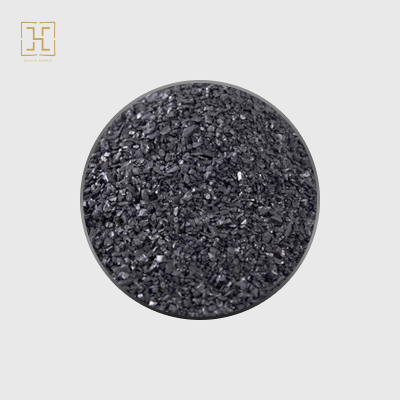
Understanding 8*30 Mesh Coal Briquette Activated Carbon
What Makes This Mesh Size Distinctive
The 8*30 mesh number specifies a range of particle sizes that balances flow resistance with contact time. This makes mass transfer work well in systems that treat water and clean gas. This medium-sized grain gives the best surface-to-volume ratio. It lets contaminants like chlorine, heavy metals, volatile organic compounds, and sulfur compounds quickly enter the internal pore network while keeping pressure drops across deep-bed filters doable. The briquetted structure makes a uniform macropore and mesopore design that makes it easier for molecules to move to adsorption micropores. This gives better rates than regular direct-crushed coal carbon.
Key Physical and Chemical Properties
The success factors for 8*30-mesh coal briquette crushing activated carbon are impressive. According to ASTM D3802, the material usually has a hardness number between 90 and 97%. This means that it doesn't wear down quickly during handling and restart processes. The iodine values are between 900 and 1100 mg/g, which means that there are a lot of micropores that can hold small organic molecules. The apparent density is between 450 and 550 g/L, which makes the packing properties optimal without lowering the adsorptive capacity. Chemically, the ash level stays low at 12–15%, which lowers the chance that cleaned water will have unwanted catalytic reactions or pH changes. Its neutral to slightly alkaline pH makes it safe for sensitive processes to use, and its compliance with AWWA B604 and NSF/ANSI Standard 61 certifications means it is safe for potable water contact and reliable for municipal applications.
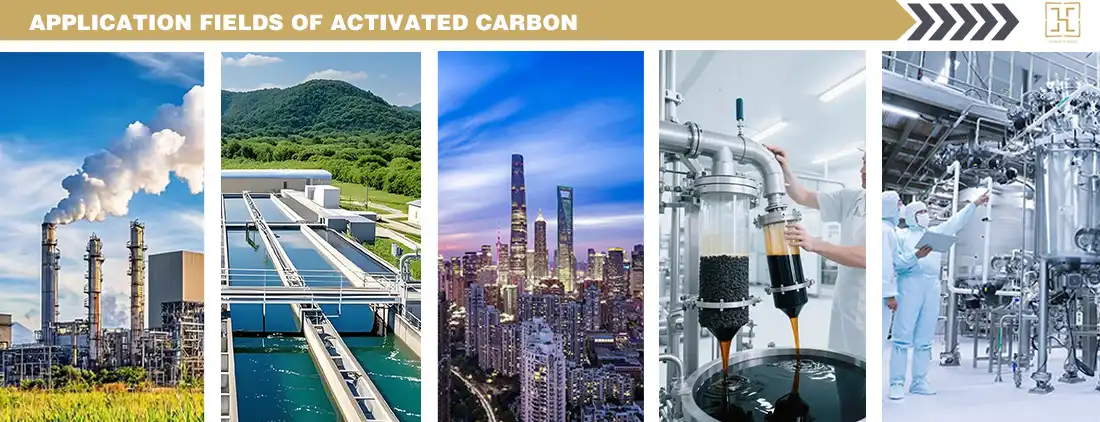
Industrial Applications Where Performance Matters
This type of activated carbon works really well in places that need strong materials and consistent adsorption. It is used by petrochemical companies to remove mercaptans and hydrogen sulfide from high-temperature process streams. It gets rid of bad tastes, smells, and disinfectant waste at municipal water treatment plants without causing too much pressure loss. This mesh size is used in coating, printing, and electronics manufacturing industrial air purification systems to efficiently capture VOCs while using as little energy as possible. The two-pore design is especially useful in situations where fast adsorption and heat regeneration are needed, because the briquetted structure can handle many revival cycles without breaking down much.
Crushing Process for 8*30 Mesh Coal Briquette Activated Carbon
From Raw Material to Precision Granules
The journey starts with choosing high-quality bituminous coal that has a lot of carbon and few minerals that aren't meant to be there. After the material is first ground up into a fine powder, special binding agents are added to help it stick together. Using high-pressure briquetting tools, this combination is pressed into dense blocks, which gets rid of any air pockets and makes the matrix uniform. The briquettes are then carbonized in controlled environments with little oxygen. They are then activated by steam at temperatures above 900°C to create the internal pore structure. The active briquettes are broken down in a controlled way using impact mills or roll crushers. They are then put through measured sieves to separate the 8*30-mesh coal briquette crushing activated carbon fraction. This makes sure that the particles are all the same size, which is important for knowing how the hydraulics will behave in packed beds.
Advanced Crushing Techniques Versus Traditional Methods
Modern crushing plants use multi-stage methods that make the most of the yield within the goal size range while minimizing the production of fines. Modern machines have gap settings that can be changed and impact forces that can be changed. This lets operators fine-tune the output characteristics based on what is needed further down the line. Using old methods often led to wider particle ranges and higher dust levels, which made filtering less effective and raised costs because carbon was lost too quickly. Modern methods include rings for collecting dust and recycling, which collect off-spec material for further processing. This precise engineering directly leads to better adsorption kinetics, because the uniform particle size makes sure that the fluid is evenly distributed across the whole carbon bed. This gets rid of channeling and dead zones that shorten the effective contact time.
Impact on Adsorption Performance and Filtration Efficiency
How quickly toxins reach active adsorption sites is directly affected by how precisely the breaking is controlled. Large particles take up more space on the surface and slow down diffusion, while fine particles raise the pressure drop and risk breaking through during backwashing operations. The ideal 8*30 mesh range strikes a balance between these opposing factors, allowing for fast initial uptake rates with no negative effects on hydraulics. Maintaining a narrow particle size distribution ensures consistent performance across batches, which is a must for large-scale industrial installations where process reliability directly affects compliance with regulations and the continuation of operations. Because the briquetted structure is naturally strong, the particles stay together even after long service periods and many regeneration processes. This means that they are more effective at adsorption for longer than options that are more fragile.
Comparing 8*30 Mesh with Other Mesh Sizes and Activated Carbon Types
Mesh Size Selection for Specific Applications
Engineers have to think about the trade-off between adsorption speed and pressure drop when they are deciding on mesh sizes. There are more uses for the 830 mesh range than for finer options like 1240 mesh, which has a higher surface area per volume but makes high-throughput systems have more flow resistance. On the other hand, coarser sizes like 48 mesh have lower pressure loss but lower touch efficiency, which makes them less useful for tasks that need to target small molecules or move quickly. Industrial wastewater treatment plants that process a lot of organic matter benefit from the balanced properties of 830 mesh, which removes contaminants effectively without spending too much on pumping. This mesh size works really well for gas-phase systems that deal with VOC emissions because it keeps the pressure low across deep beds while catching molecules with different weights.
Coal-Based Versus Wood-Based and Coconut Shell Carbon
Picking the right raw material has a big impact on the structure of the pores and how well they can adsorb things. 8*30-mesh coal briquette crushing activated carbon creates a mixed pore distribution that favors mesopores and smaller macropores. This makes it very good at getting rid of medium to large organic molecules that are common in industrial effluents and exhaust streams. Carbons made from wood usually have bigger pores and a wider range of hole sizes, which makes them good for getting rid of color bodies and substances with a lot of molecular weight. The carbon in coconut shells concentrates microporosity, making it great at catching small molecules like chloroform and volatile organics but not so good at catching larger contaminants. The engineered briquette crushing process gives precise control over the structure of the pores, which lets specific adsorption goals be met while maintaining a level of mechanical strength that can't be matched by alternatives made from softer biomass.
Aligning Material Selection with Operational Requirements
Chemical processing plants that use toxic gases need activated carbon that stays structurally sound in difficult conditions. Coal briquette products are clearly better in this area because they are more stable at high temperatures and don't react with chemicals as easily. Pharmaceutical factories need ultra-low extractables like coconut shell carbon because it is so pure. For municipal applications that need to get rid of a wide range of pollutants at a low cost, coal-based 8*30 mesh gives the best performance per dollar spent. When procurement workers understand these differences, they can exactly match the carbon properties with the needs of the application. This way, they can avoid overspecification, which drives up costs, or underperformance, which threatens compliance. Briquetted coal carbon can be used in a lot of different industries because its properties are well-balanced. This makes it a good choice when the application factors are within normal ranges for that industry.
Procurement Guide for 8*30 Mesh Coal Briquette Activated Carbon
Key Factors Influencing Purchasing Decisions
To be good at procurement, you need to know what the minimum order numbers are for 8*30-mesh coal briquette crushing activated carbon. For normal specifications, they usually start at one metric ton, but for custom formulations, they may need bigger quantities. The prices are based on a number of factors, such as the quality of the raw materials, the degree of activation, the required ash content, and the packaging needs. To easily compare different suppliers, buyers should ask for detailed technical data sheets that list the iodine number, hardness, ash content, moisture level, and particle size distribution. Quality certifications like ISO 9001 and ISO 14001, as well as product-specific approvals like NSF/ANSI Standard 61, make sure that the manufacturing process is consistent and that all regulations are followed. Independent third-party testing reports that confirm the claimed performance parameters protect against low-quality material that could affect how the system works or its compliance with regulations.
Supplier Evaluation and Verification
Building ties with trustworthy manufacturers lowers the risks in the supply chain and makes sure that you can get expert help for the whole lifecycle of the product. Shanxi Xinhua Carbon Technology Industry Co., Ltd. is a great example of how to combine study, production, and service skills in a way that works for complex industrial uses. Working with top study groups like Tsinghua University and the Chinese Academy of Sciences helps us keep coming up with new ways to improve pore structure and change catalysts. With production bases in many different areas, big stocks of core goods are kept on hand at all times to meet standard requirements. Our defense-grade quality control systems, which come from using chemicals for military purposes, make sure that every batch is the same, which is what big businesses and government contractors want. When purchasing managers look at possible providers, they should check their production capacity, inventory depth, technical support resources, and logistics skills to make sure they meet operating and emergency reaction needs.
Optimizing Bulk Orders and Logistics
Framework supply agreements help industries buy a lot of things because they lock in prices and make sure that priority is given when supplies are low. When negotiating terms, you should talk about delivery dates, quality assurance methods, technical service provisions, and ways to settle disagreements. Logistics planning needs to include the right packaging to keep things from getting wet and damaged during transport. For example, moisture-barrier bags and rigid containers protect the integrity of carbon. Because we are strategically located near major transportation hubs, we can deliver anywhere in the country within 3 to 7 days through dedicated fleet operations and established carrier partnerships. International exports use multimodal options that combine train, water, and air travel to get the best price and speed for the job. Tracking systems that work in real time make the whole supply chain clear, and services that help with customs clearing and paperwork make it easier for buyers in North America and Europe to do business across borders.
Enhancing Adsorption Efficiency Using 8*30 Mesh Activated Carbon
Best Practices for Handling and Storage
Activated carbon works best when it is stored properly in a cool, dry place away from volatile organic chemicals and oxidizing agents that could fill up adsorption sites too quickly. When sealed containers don't let water in, they lose some of their capacity and help microbes grow in some situations. When moving carbon into process tanks, steps are taken to keep the workers healthy and stop losses. For liquid-phase applications, pre-wetting protocols get rid of air pockets that cause channeling. This makes sure that the fluid is spread evenly across the bed depth. Monitoring the temperature during backwashing stops thermal stress that could break particles. These basic steps keep the material's integrity from the time it's delivered until it's installed. This maximizes the return on investment by making sure that the performance promised actually happens.
Regeneration Strategies and Lifecycle Extension
The designed structure and high mechanical hardness of briquetted coal carbon make it a great material for thermal reactivation. This means that it can be used over and over again, which greatly lowers the total cost of ownership. Regenerating steam at controlled temperatures removes contaminants that have been stuck on the surface and partly opens up the pores, which increases the service life by 50–70% compared to one-time uses. Monitoring breakthrough curves and pressure differences allows for planned maintenance, which starts renewal before saturation lowers the quality of the waste. In some industrial settings, swing-bed systems are used so that one vessel can work while another is being regenerated. This keeps the process running all the time. Good briquette-crushing activated carbon can go through many regeneration cycles without losing much of its effectiveness. Lower-quality options break apart when heated, creating fines that clog up equipment further down the line and make it less effective.
Real-World Performance in Industrial Applications
A city water treatment plant that serves 200,000 people switched from granular wood-based carbon to 8*30-mesh coal briquette crushing activated carbon. This made it 40% longer between replacements because it was 40% harder and the pores were better organized. Less frequent replacement of the carbon cut down on labor costs and process interruptions, and better control of taste and smell made customers happier. This mesh size was added to an automotive coating facility's VOC abatement system, which cut the number of solvent breakthroughs by 65% compared to the direct-crushed coal carbon that was used before. The consistent particle size got rid of flow misalignment that was causing early saturation in some areas. This made the average bed life last longer, from 8 months to 14 months. These recorded results show that the choice of material has a direct effect on operational efficiency, legal compliance, and financial success across a wide range of industries.
Conclusion
8*30-mesh coal briquette crushing activated carbon is a high-tech answer made to meet the strict needs of modern industrial adsorption processes. It works well for treating water, cleaning the air, and handling chemicals because the particle size is carefully controlled, it has two types of pores, and it is very strong. The precise crushing process makes sure that everything is the same, which means that the hydraulic behavior and adsorption rates can be predicted and repeated. These are important factors for large-scale operations where process stability affects both compliance and revenue. When choosing what to buy, long-term value is more important than initial cost. The ability to be recycled and the longer service life of high-quality briquetted coal carbon are clear economic benefits, backed by decades of industrial validation in a wide range of operating conditions.
FAQ
Why Choose 830 Mesh Over Finer Options Like 1240 Mesh?
When reducing pressure drop is important, the 8*30 mesh range is best. This is especially true in high-flow liquid systems or gas-phase uses where a finer mesh would cause too much hydraulic resistance. This size keeps the contact efficiency high while lowering the energy needed for pumping or blowing. This makes it a cost-effective choice for steady high-volume activities.
Can This Material Undergo Thermal Regeneration?
Because it is very hard and is briquetted, it can go through many heat reactivation processes without breaking. This feature lowers the total cost of ownership by making things last longer, which is important for businesses that have to deal with big carbon stockpiles where costs of disposal and supply chain issues affect the general economy.
How Does Ash Content Affect Adsorption Performance?
Better quality 8*30-mesh coal briquette crushing activated carbon with less ash means it is purer and has more surface area available for adsorption. High levels of ash can start unwanted catalytic reactions or change the pH of treated water, which could hurt the process goals or need more treatment steps further down the line to keep the product specifications.
What Is the Expected Shelf Life When Properly Stored?
Activated carbon has an infinite shelf life as long as it is kept dry, cool, and away from things that can oxidize it. If the material has been kept for more than five years, we suggest testing it again for adsorption activity to make sure that the performance factors are still within the range allowed before using it in important applications.
Partner with Shanxi Xinhua Carbon Technology Industry Co., Ltd. for Your Precision Adsorption Needs
Shanxi Xinhua Carbon Technology Industry Co., Ltd. is in a unique position to meet the complex industrial needs of environmental engineering managers and procurement directors looking for a dependable 8*30-mesh coal briquette crushing activated carbon supplier. Our 60-year history in carbon materials and defense-grade quality systems ensures that every shipment meets the strictest requirements. We keep all of our inventory available across our nationwide production network. This lets us make standard deliveries within 7–15 days and offer fast three-day fulfillment for compliance projects that need to be done right away. Through agreements with Tsinghua University and the Chinese Academy of Sciences, our expert team works with clients to improve the choice of materials, the methods for regeneration, and the integration of systems. Our experienced staff is here to help you through the whole buying process, whether you need bulk framework supply deals, custom pore structure modifications, or OEM branding for distribution. You can email us at greta@carbonxinhua.com or go to xhcarbontech.com to talk about your specific adsorption problems, get technical data packages, or set up sample testing that shows why top environmental contractors and industrial manufacturers trust Shanxi Xinhua for their toughest jobs.
References
1. Bansal, R.C., and Goyal, M., 2005. Activated Carbon Adsorption. Boca Raton: CRC Press.
2. Marsh, H., and Rodríguez-Reinoso, F., 2006. Activated Carbon. Amsterdam: Elsevier Science.
3. Snoeyink, V.L., and Summers, R.S., 1999. "Adsorption of Organic Compounds," in Water Quality and Treatment: A Handbook of Community Water Supplies. New York: McGraw-Hill.
4. Derbyshire, F., Jagtoyen, M., Andrews, R., Rao, A., Martin-Gullon, I., and Grulke, E., 2001. "Carbon Materials in Environmental Applications," in Chemistry and Physics of Carbon, Volume 27. New York: Marcel Dekker.
5. ASTM International, 2019. ASTM D3802: Standard Test Method for Ball-Pan Hardness of Activated Carbon. West Conshohocken: ASTM International.
6. American Water Works Association, 2017. AWWA B604: Granular Activated Carbon. Denver: American Water Works Association.

Send Inquiry
You may like
_1781662034490.webp)