_1778553121707.webp)
767 Injection Wood-Based Activated Carbon Meets Demanding Filtration Requirements
Sep 16, 2026
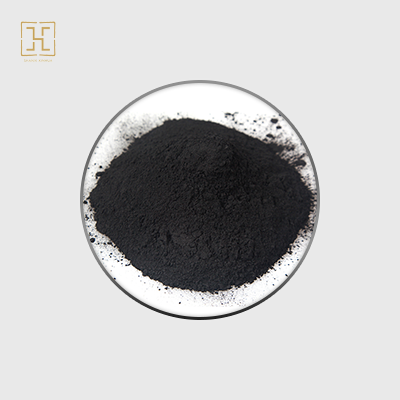
When pharmaceutical manufacturers face challenges with injectable solution purity, the choice of purification material becomes mission-critical. 767 Injection Wood-based Activated Carbon, produced by Shanxi Xinhua Carbon Technology Industry Co., Ltd., is a pharmaceutical-grade adsorbent engineered specifically for injectable solution production. With an iodine adsorption value ≥950 mg/g and a pyrogen removal rate of ≥99.9%, it delivers the selectivity, purity, and consistency that injectable manufacturing demands. This article explains why this material has become indispensable across TCM injectables, Western medicine formulations, and biological preparations.
Understanding 767 Injection Wood-Based Activated Carbon
For pharmaceutical-grade injectable purification, you need a material that reacts precisely instead of broadly. Wood-based pharmaceutical activated carbon is different from general-purpose coal-based carbons because it comes from high-quality oak and is treated through temperature-controlled carbonization, high-temperature steam activation, ultra-fine grinding, and several stages of purification. This process of making something makes an adsorbent with a hierarchical pore structure that is full of mesopores and macropores. This adsorbent selectively picks up large-molecule impurities instead of removing all of your formulation without any thought.
Raw Material Advantage and Structural Properties
The structure of carbon from hardwood is mostly made up of mesopores, and its specific surface areas are often higher than 1,200 m²/g. It can also absorb up to 200 mg/g of methylene blue. This shape makes it easy to catch colors, pyrogens, high-molecular-weight polymers, and small amounts of organic impurities. Importantly, the shape of the pores doesn't encourage the attachment of smaller active medicinal ingredient molecules. This means that your drug's effectiveness and pH stability will be maintained during processing.
Compliance with Chinese Pharmacopoeia Standards
Every batch of products made at Shanxi Xinhua meets all the requirements of the Chinese Pharmacopoeia (ChP). The ash content is kept at \%, the wetness level at ²7%, and the pH level at 6.0 to 7.0. Heavy metal levels—arsenic ≤0.0001%, lead ≤0.0002%, and mercury not found—meet the strictest pharmaceutical safety standards around the world, including USP elemental impurity guidelines-aligned benchmarks.
Performance and Benefits for Demanding Filtration Applications
When procurement engineers look at injectable cleaning materials, they often compare powdered carbon made from wood to carbon that is pelletized or made from coconut shells. In pharmaceutical situations, the technical difference is very important.
Here are the main performance benefits that make this 767 Injection Wood-based Activated Carbon different from other types:
- Better selective adsorption: The 325–400 mesh ultra-fine powder format makes sure that all injectable batches are evenly distributed and provides faster adsorption kinetics than granular or pelletized forms. The removal of impurities is full and can be repeated, rather than being different for different batch sizes.
- Elimination of pyrogens at important levels: An pyrogen removal rate of ≥99.9% solves one of the most persistent compliance problems in injectable manufacturing. Endotoxin poisoning is the main reason why batches are rejected, and this stuff always keeps pyrogen levels below what's allowed by law.
- Low contamination footprint: With an ash level of less than 2.0% and no mercury that can be found, there is a low chance that secondary contaminants will get into your mixture. The work of downstream filtration goes down a lot, which cuts down on processing time and filter replacements.
These benefits have direct effects that can be measured, such as higher batch pass rates, lower rework costs, and more reliable regulatory submissions. For quality control managers in charge of making injectables, uniform performance across lots is not a nice-to-have, it's a must.
Practical Applications of 767 Injection Wood-Based Activated Carbon
767 Injection Wood-based Activated Carbon can be used for three main types of injectables, and each one has its own unique cleaning challenges.
Traditional Chinese Medicine Injectables
There are many different chromophoric compounds, tannins, and high-molecular-weight polysaccharides in complex herbal extract matrices that make the liquid cloudy or not clear. The specific mesopore structure of this material grabs these unwanted chemicals while leaving medicinal alkaloids, flavonoids, and polyphenols mostly undamaged. Producers of TCM injectables say that clarity and obedience have improved without bioactive ingredient concentrations going down.
Western Medicine and Biological Preparations
Synthetic drug formulations need to be able to be repeated from batch to batch, which supports a tight process evaluation. Non-selective adsorption is a very real risk for biological preparations that contain proteins or peptides. This pharmaceutical carbon's calibrated pore structure only targets molecules that aren't pure, keeping sensitive biological active ingredients safe during the purification cycle. Researchers who study the production of oral drugs have found that activated carbon selection is directly linked to pore size distribution rather than just total surface area.
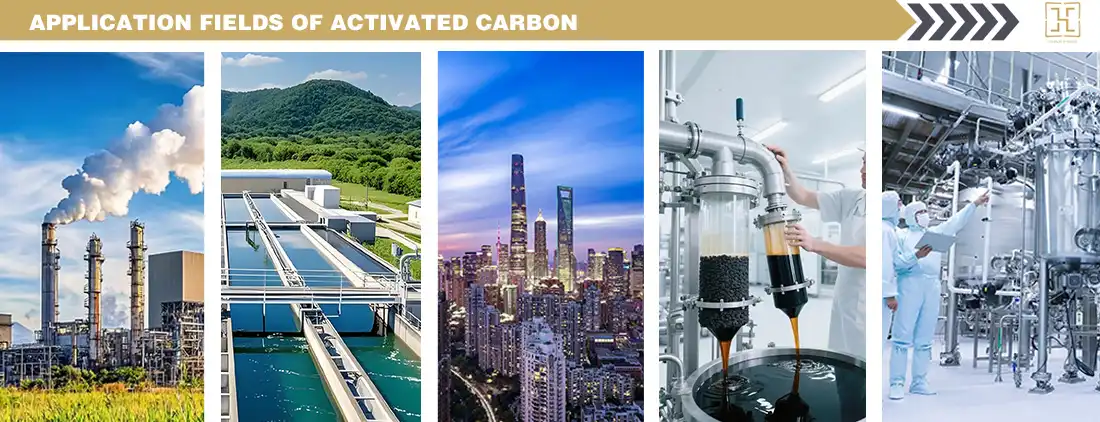
Beyond injectables, the same material is used in quality control labs to purify reference standards and prepare analysis samples. For method validation, reliable performance is very important.
Procurement Guide for B2B Buyers
Finding pharmaceutical-grade activated carbon for making injectables requires a lot more attention than what is listed in a catalog. When they work in regulated industries, procurement managers and supply chain directors need proof that they are following the rules, not just claims that they are.
Shanxi Xinhua Carbon Technology Industry Co., Ltd. helps with the whole buying process by providing detailed technical documents like batch certificates of analysis, ChP compliance records, and heavy metal testing data produced by a standard ICP-MS method. Before an official buy commitment is made, sampling requests can be met, which lets your QA team do their own checks. The company has management systems that are designed for customers in controlled industries, as shown by its ISO 9001, ISO 14001, and ISO 45001 certifications.
Concerning the dependability of the supply chain, Shanxi Xinhua has production bases in Shanxi, Ningxia, Fujian, and Xinjiang, and produces 45,000 tons of goods every year. Orders that are standard are handled between 7 and 15 days. For compliance jobs that need to be done quickly, a fast green channel delivery option cuts the wait time down to as little as three days. Global multimodal logistics, which includes sea, air, and rail, helps with international buying by tracking packages in real time and clearing all customs.
Making the Right Choice: Why 767 Injection Wood-Based Activated Carbon?
When picking a pharmaceutical carbon supplier, you have to look at technical performance, regulatory alignment, and long-term supply security all at the same time. Coal-based carbons are cheaper in industrial settings, but they have more ash and less favorable mesopore distributions for purification at the injectable grade. Coconut shell carbons have a lot of tiny pores, but they aren't very good at catching the big molecules that are usually found in complicated medicine mixtures.
767 Injection Wood-based Activated Carbon has a specific set of performance characteristics, including a high mesopore volume, low ash, proven heavy metal compliance, and selective adsorption behavior that keeps the purity of the API. Shanxi Xinhua has been researching and developing activated carbon for more than 60 years. They also do ongoing joint research with Tsinghua University and the Chinese Academy of Sciences to make sure that their product formulas keep up with changing manufacturing technology and pharmacopoeial standards. Creating a long-term supply relationship with a certified manufacturer of this caliber lowers the risk of sourcing and helps your injectable production line keep improving its processes.
Conclusion
When making injectable drugs, purity must never be compromised. Pharmaceutical companies need adsorption selectivity, pharmacopoeial compliance, and supply reliability. The 767 Injection Wood-based Activated Carbon from Shanxi Xinhua Carbon Technology Industry Co., Ltd. meets these needs. Because it has pores made from hardwood, strict controls on heavy metals, and reliable pyrogen removal performance, it is a technically sound choice for TCM injectables, synthetic formulas, and biological preparations. This material is a good investment for buying teams that want to make sure quality over the long term and keep supplies stable.
FAQ
What is the difference between wood-based and coal-based activated carbon for injectable use?
Activated carbon made from wood has more mesopores, which are better at soaking up large molecules like pyrogens and pigments that are present in injectable solutions. Coal-based carbons tend to have micropore-dominant structures, which aren't as good at cleaning pharmaceuticals and usually have more ash in them. If you need to follow ChP rules for injected uses, pharmaceutical carbon made from wood is the best option.
How can I verify the quality of a bulk order before committing?
Reliable providers give out certificates of analysis that list the heavy metal amounts, ash content, pH, methylene blue adsorption, and iodine value. Shanxi Xinhua lets people ask for samples before they buy, which lets an independent lab check them. As a matter of course, responsible procurement teams should also look over ISO certifications and ask for batch traceability documentation.
What are typical lead times for bulk procurement?
From Shanxi Xinhua's production network, standard mass orders are met in 7–15 days. Through an expedited green route, urgent buying needs can be met, and shipping can happen in as little as three days. Global multimodal transportation and help with clearing customs handle international sales.
Can the product be customized for specific formulation requirements?
Yes, Shanxi Xinhua can change the mesh size, packing style, and adsorption performance factors to fit the needs of a particular process. Distributors and system developers can also choose from OEM and private-label choices.
Partner with Shanxi Xinhua Carbon Technology Industry Co., Ltd. for Reliable Injectable-Grade Carbon Supply
Your plan for making injectables can't handle problems with supplies or inconsistent quality. Shanxi Xinhua Carbon Technology Industry Co., Ltd. is a reliable supplier of 767 Injection Wood-based Activated Carbon that has been in business for more than 60 years. They offer certified pharmaceutical-grade adsorbents with full documentation support and fast shipping around the world. You can ask for a sample, download the technical datasheet, or talk to our team directly about bulk pricing. You can email us at greta@carbonxinhua.com or go to xhcarbontech.com.
References
1. Journal of Pharmaceutical Sciences — Activated Carbon in Pharmaceutical Processing: Adsorption Selectivity and Regulatory Compliance, 2019.
2. Carbon (Elsevier) — Pore Structure Characterization of Wood-Based Activated Carbons and Their Application in Liquid-Phase Adsorption, 2021.
3. International Journal of Pharmaceutics — Pyrogen Removal Strategies in Parenteral Drug Manufacturing, 2020.
4. Chinese Pharmacopoeia Commission — Chinese Pharmacopoeia (ChP), 2020 Edition, Volume IV: General Requirements for Activated Carbon in Pharmaceutical Use.
5. Separation and Purification Technology (Elsevier) — Mesopore-Dominant Activated Carbons for Large-Molecule Impurity Removal in Biological Preparations, 2022.
6. Industrial & Engineering Chemistry Research (ACS Publications) — Wood-Based vs. Coal-Based Activated Carbon: Comparative Performance in Pharmaceutical Liquid-Phase Purification, 2018.

Send Inquiry
You may like
_1781662034490.webp)