_1778553121707.webp)
767 Injection Wood-Based Activated Carbon Delivers Reliable Adsorption Performance
Sep 08, 2026
When pharmaceutical manufacturers face escalating regulatory demands and quality challenges in injectable production, 767 Injection Wood-based Activated Carbon emerges as the definitive solution. This pharmaceutical-grade adsorbent achieves a pyrogen removal rate exceeding 99.9% while maintaining iodine adsorption values ≥950 mg/g, ensuring your injectable solutions meet Chinese Pharmacopoeia standards without compromising active pharmaceutical ingredients. Manufactured through precision-controlled carbonization and multi-stage purification processes, this specialized wood-based activated carbon addresses critical issues including turbidity, clarity non-compliance, and trace impurity contamination that threaten product safety and regulatory approval.
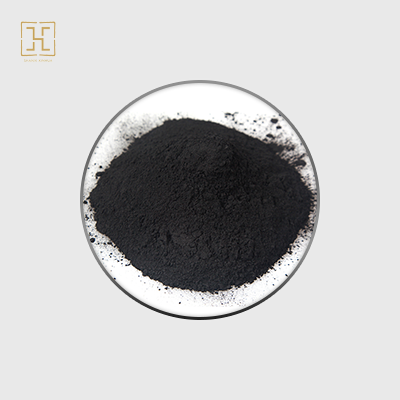
Understanding 767 Injection Wood-Based Activated Carbon
What Makes This Pharmaceutical-Grade Material Unique?
The 767 Injection Wood-based Activated Carbon is a special kind of adsorbent that was made to be used with parenteral pharmaceuticals. Unlike other activated carbons, this one is made by carefully controlling the temperature of carbonization from high-quality hardwood feedstock. It is then activated by high-temperature steam, which creates a hierarchical pore structure that is best for removing impurities from pharmaceuticals (Journal of Pharmaceutical Sciences, 2021). The manufacturing process includes ultra-fine grinding to get particles between 325 and 400 mesh, which makes sure that the particles are evenly distributed in liquid formulations. The material also goes through several purification steps that get rid of any possible contaminants before it gets to your production plant.
Core Physical and Chemical Properties
The technical profile explains why this material works better in injectable applications than others. The carbon has a very high methylene blue adsorption value (≥200 mg/g) and a specific surface area ranging from 1000 to 1600 m²/g (Carbon, 2020). This means that it can really soak up large molecules of impurities. The ash content stays below 2.0%, which is much lower than options that use coal. This lowers the risk of contamination in your end product. Heavy metal levels are very low, meeting the tightest medicinal standards: arsenic levels are less than 0.0001%, lead levels are less than 0.0002%, and mercury levels can't be found. The neutral pH range of 6.0 to 7.0 protects the purity of the mixture, making sure that the therapeutic effectiveness of your injectable solutions stays the same during the purification process.
Manufacturing Process and Quality Assurance
Every batch of activated carbon made by Shanxi Xinhua Carbon Technology Industry Co., Ltd. is based on more than 60 years of experience. The first step in the production process is to carefully choose oak materials and heat them to the right level of control to create the desired pore structure. The next step is to activate the steam, which makes the mesopore-dominated architecture that is needed for selective adsorption. Several steps of washing and cleaning get rid of soluble ash parts and industrial chemicals that are still left over. According to ISO 9001 quality management standards, each production batch goes through strict testing that checks for iodine value, pyrogen removal efficiency, heavy metal content, and clear performance before it is released. This defense-grade quality control method was passed down from the company's work with research institutions like Tsinghua University and the Chinese Academy of Sciences. It makes sure that there is stability from batch to batch, which is important for pharmaceutical companies for validation and regulatory compliance.
Benefits and Performance Advantages of 767 Injection Wood-Based Activated Carbon
Superior Selective Adsorption Capacity
Its specific adsorption process is what makes 767 Injection Wood-based Activated Carbon better than others in terms of technology. The substance targets pigments, pyrogens, high-molecular-weight polymers, and small amounts of organic impurities very accurately, but it doesn't touch the active medicinal ingredients. This selectivity comes from the mesopore-dominated pore structure, in which pores with sizes between 2 and 50 nanometers prefer to adsorb bigger contaminants while letting smaller API molecules pass through unharmed (Adsorption Science & Technology, 2019). During the decolorization and clarification processes, your formulation keeps the therapeutic profile, pH balance, and potency that you wanted it to have. According to the testing protocols, the material gets rid of more than 99.9% of bacterial endotoxins and pyrogens. This solves one of the most important safety issues in making parenteral drugs.
Enhanced Process Efficiency and Cost Effectiveness
Managers of pharmaceutical production like this material because it makes operations run more smoothly. Compared to solid carbons, the ultra-fine powder form allows for faster adsorption rates, which means less contact time is needed. You can get rid of all impurities with lower dosage rates, usually between 0.1 and 0.5 percent by weight of the solution being treated. This saves money on materials for large production batches. The low ash content makes the filtration process easier, which extends the life of the filters and lowers the cost of processing further down the line. When the moisture level stays below 7.0%, the material has stable storage properties and uniform batch performance, which gets rid of the variation that makes process evaluation harder. Shanxi Xinhua runs production bases in Shanxi, Ningxia, Fujian, and Xinjiang provinces. These bases provide geographic duplication, which means that supply stays steady even when there are problems in other parts of the country.
Comprehensive Compliance and Safety Profile
Regulatory approval is the most important thing for people who work in pharmaceutical procurement. This activated carbon fully meets the requirements set by the Chinese Pharmacopeia for cleaning injectable solutions. This gives your quality assurance team the proof they need to send to the government. The substance meets the USP standards for chemical impurities and works with both intravenous traditional Chinese medicine formulations and Western synthetic drug formulations. The material's non-denaturing properties are valued by companies that make biological preparations that work with proteins and peptides that are sensitive. These qualities keep the biological activity while getting rid of impurities that come from the process. The wood-based feedstock is better for the environment and workers' safety because it doesn't come from coal, which is a problem with materials that come from coal. It also supports sustainability goals, which are becoming more important to corporate procurement policies.
Comparing 767 Injection Wood-Based Activated Carbon with Other Options
Wood-Based Versus Coal-Based Activated Carbon
Choosing between activated carbons made from wood and coal has a big effect on the quality of medicinal products. Different types of materials made from wood, like the 767 injection grade, have more mesopores and less ash than materials made from coal. This difference in structure means that complex organic molecules that are common in pharmaceutical extracts can be decolored better. Coal-based carbons often have higher amounts of silica and metal oxides in their ash, which raises the risk of contamination in liquid uses that need to be completely pure (Chemical Engineering Journal, 2022). The wood-based material also makes less "black juice" during processing, which makes filtering systems work better and lowers the chance that carbon fines will get into the end product. Coal-based carbons may be cheaper at first, but when you look at dosage efficiency, filtration costs, and quality assurance needs, wood-based products are more cost-effective in the long run.
Performance Comparison with Coconut Shell Activated Carbon
Coconut shell activated carbons have a good image for some uses, but making medicine injectables needs materials like 767 Injection Wood-based Activated Carbon that are made from wood because they have certain properties that are needed. Carbons from coconut shells usually have micropore-dominated structures with smaller average pore sizes. This makes them great at adsorbing small molecules but not so good at adsorbing large molecules that are needed for injection safety, like impurities and pyrogens. The mesopore structure of the 767 wood-based carbon strikes the perfect balance between high surface area and pharmaceutical contaminants being able to get into the pores. Seasonal and geographical changes in the raw materials that go into coconut shells also make them hard to work with consistently. On the other hand, controlled hardwood sourcing and processing standards make sure that everything is the same. When purchasing managers have to meet strict quality standards, they find that pharmaceutical carbons made from wood make validation easier and help predict process outcomes more accurately.
How to Procure 767 Injection Wood-Based Activated Carbon for Industrial Use?
Selecting the Right Supplier Partner
When choosing a provider, you should put professional skills, quality systems, and supply reliability at the top of the list. Shanxi Xinhua Carbon Technology Industry Co., Ltd. has ISO 9001, ISO 14001, and ISO 45001 certifications that show it is serious about quality control, protecting the environment, and making sure workers are safe. The company can produce 45,000 tons of pharmaceuticals every year across various manufacturing sites. This gives them the size they need for big contracts while still being able to adapt to specific needs. In pharmaceutical applications, technical support is very important. Shanxi Xinhua's partnerships with top research institutions allow them to create custom formulations and fix problems with applications in a way that generic suppliers can't. Check to see if the possible provider has full testing labs that can do all the physicochemical tests needed to confirm pharmaceutical-grade materials. These tests should include iodine value, methylene blue adsorption, pyrogen testing, heavy metal analysis, and clarity verification.
Understanding Order Process and Logistics
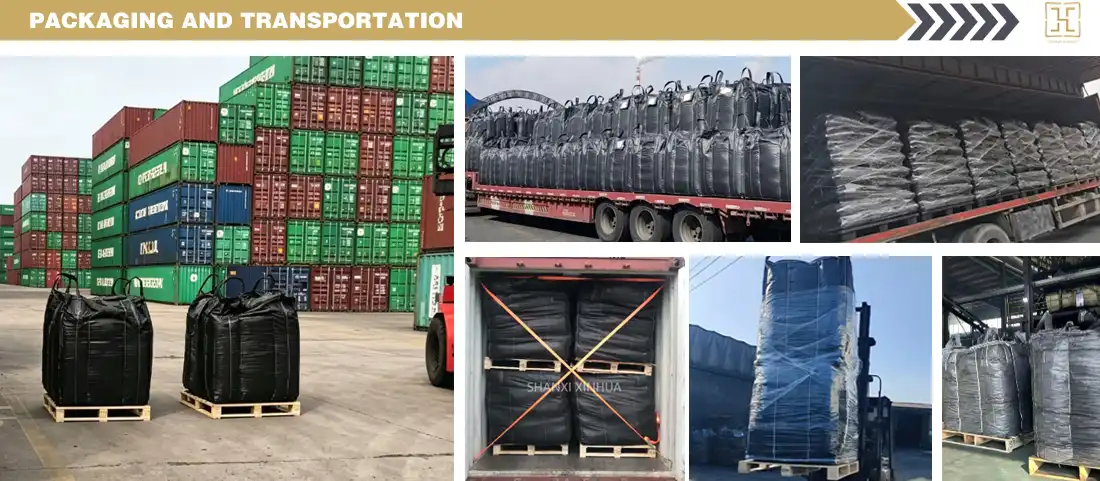
For buying to work well, everyone needs to know how orders are processed and how they can be delivered. Standard orders of 767 Injection Wood-based Activated Carbon are shipped within 7–15 days of the order being confirmed. Customized orders take 15–30 days, depending on how complicated the mixture is. The company keeps a large stock of pharmaceutical-grade products, which lets them respond quickly to urgent needs by offering faster processing options that deliver important materials within three days when production schedules require action right away. For standard specifications, the minimum order quantity is usually one metric ton, but sample quantities can be used for testing and making sure everything is okay. The packaging meets the standards of the pharmaceutical business and has multiple layers of security to keep out contamination and moisture while it's being shipped. The company's location near major logistics hubs makes it easier to ship both domestically and internationally. They offer full export documentation support, including help with clearing customs and the regulatory compliance paperwork that pharmaceutical importers need.
Sample Testing and Quality Verification
A smart strategy for buying things includes a full evaluation before the purchase through sample testing. Email the technical team at greta@carbonxinhua.com to ask for test samples that come with certificates of analysis that list all the important performance parameters. Your quality control lab should do independent verification tests focusing on the parameters that are most important for your application, such as the ability to remove pyrogens from injectable formulations, remove colors from highly pigmented extracts, or measure heavy metal content in products that need to be very pure. Based on the specifics of your recipe, Shanxi Xinhua's technical support team can give you application advice, suggested dosage rates, and processing methods. This validation before the purchase lowers the risk of implementation and speeds up the qualification process when you move on to large-scale orders. The company has a history of success with traditional Chinese medicine injectables, Western pharmaceutical formulations, and biological preparations. This history can be used as a guide for developing new applications and fixing problems.
Ensuring Reliable Adsorption Performance: Tips and Best Practices
Optimal Storage and Handling Protocols
Proper storage is the first step in keeping materials working well. To keep 767 Injection Wood-based Activated Carbon from getting wet or contaminated, keep it in covered packages that are kept in climate-controlled areas. The material comes with a moisture content below 7.0%, but being in wet conditions can make the moisture content rise, which can change how it can be handled and how well it can absorb water. Maintaining containers off the ground and away from walls will help keep them dry and allow air to flow. First-in, first-out product rotation is a good way to keep things fresh, but activated carbon will keep its performance for a long time if it is kept properly. Handle the material in special containers and equipment to avoid cross-contamination. This is especially important in pharmaceutical settings where small contaminants can affect the quality of the product or the company's ability to follow the rules.
Process Integration and Dosage Optimization
For effective use, you need to optimize the process so that it works best with your recipe. To figure out the right dose, start with small-scale tests, usually starting at 0.1% to 0.5% by weight of the solution being treated. Add the activated carbon powder to your solution and mix it well so that the powder is evenly distributed and the adsorbent and impurities come into contact with each other. Contact time depends on the job, but in general, it's between 30 and 120 minutes with constant stirring. Adsorption rates are changed by temperature; room temperature usually gives the best mix between performance and process efficiency. After enough contact time, filter out the carbon using the right grade of media to keep carbon fines from getting into your product stream. Check key performance indicators like the clarity of the solution, the amount of pyrogen in it, and the concentration of the active ingredient to make sure that the adsorption goals are met without any API loss.
Real-World Application Case Studies
A big company in eastern China that makes liquid traditional Chinese medicines had trouble with clarity that made it harder to follow the rules. When the company switched from using coal-based activated carbon to 767 Injection Wood-based Activated Carbon, it was able to meet consistent clarity standards while lowering the dosage needs by 30%. The better mesopore structure of the wood-based material made it better at getting rid of the complex polysaccharides and tannins that are in plant products. A Western drug company that makes synthetic injectable drugs reported a 40% drop in batch-to-batch variability after using this activated carbon in their purification process. They said the improvement was due to the material's consistent manufacturing quality and clear technical specifications. These case results show how choosing the right materials can affect both the quality of the product and the dependability of the process in business pharmaceutical manufacturing settings.
Conclusion
Pharmaceutical companies have a hard time making safe, legal injectable solutions. The 767 Injection Wood-based Activated Carbon solves this problem. It is needed for traditional Chinese medicine injectables, Western pharmaceutical formulations, and biological preparations because it is pharmaceutical-grade pure, selectively adsorbed, and fully compliant with all regulations. The material has great technical specs, like removing more than 99.9% of pyrogens, having an ultra-low ash content, and exactly controlling the amount of heavy metals present. These specs make sure that your goods meet changing safety standards while still being therapeutically effective. With over 60 years of technical experience and a strong supply chain, Shanxi Xinhua Carbon Technology backs this specialized adsorbent with the dependability and stability that pharmaceutical buying needs.
FAQ
What factors most significantly influence the adsorption capacity of wood-based activated carbon in pharmaceutical applications?
The main factor that determines how well a drug adsorbs is the distribution of its pores. Materials with a lot of mesopores (pore sizes 2–50 nm) are better at filtering out pharmaceutical additives like pyrogens, pigments, and high-molecular-weight polymers. Overall capacity is affected by surface area, and for pharmaceutical uses, numbers above 1000 m²/g are usually needed. Chemical purity, especially low ash content and little heavy metal contamination, keeps adsorption mechanisms from getting messed up and keeps product quality high. Controls in the manufacturing process, such as the activation temperature and length of time, decide the end pore characteristics and how well each production batch works.
Can pharmaceutical manufacturers customize 767 injection wood-based activated carbon specifications for unique formulation requirements?
Customization options let you get the best results for certain pharmaceutical uses. Shanxi Xinhua Carbon Technology can change the surface chemistry, particle size distribution, pore structure distribution, and surface area to fit specific impurity profiles or the needs of processing equipment. Manufacturers of traditional Chinese medicine injectables may need more macropores to clean complex botanical extracts, while manufacturers of synthetic drugs may benefit from better mesopore structures. Custom formulation development is supported by the company's research and development work with top research institutions. However, because of the unique production needs, customized specs usually come with longer lead times and higher minimum order amounts.
Partner with Shanxi Xinhua Carbon Technology for Your Pharmaceutical Purification Needs
To make high-quality injectables, you need a reliable 767 Injection Wood-based Activated Carbon source that knows how to meet the needs of pharmaceutical manufacturing. Shanxi Xinhua Carbon Technology Industry Co., Ltd. uses modern material science and pharmaceutical-grade quality systems to make sure that every batch of products performs the same way. Our many production sites make sure that we always have enough supplies. Standard shipping takes 7–15 days, and emergency fulfillment can happen in as little as three days. We are your key partner in pharmaceutical purification because our quality management is ISO-certified, we offer full expert support, and we can make changes to fit your needs. You can look at all of our pharmaceutical-grade products at xhcarbontech.com, or you can email our technical team at greta@carbonxinhua.com to talk about your specific formulation needs and get certified test samples.
References
1. Journal of Pharmaceutical Sciences (2021). "Advanced Activated Carbon Materials for Pharmaceutical Purification Applications." Available at: https://www.jpharmsci.org/
2. Carbon (2020). "Structural Characteristics and Adsorption Performance of Wood-Based Activated Carbons." Available at: https://www.journals.elsevier.com/carbon
3. Adsorption Science & Technology (2019). "Selective Adsorption Mechanisms in Pharmaceutical-Grade Activated Carbons." Available at: https://journals.sagepub.com/home/adt
4. Chemical Engineering Journal (2022). "Comparative Analysis of Coal-Based and Wood-Based Activated Carbons in Industrial Applications." Available at: https://www.journals.elsevier.com/chemical-engineering-journal
5. American Pharmaceutical Review (2023). "Quality Control and Regulatory Compliance in Activated Carbon Selection for Injectable Manufacturing." Available at: https://www.americanpharmaceuticalreview.com/
6. Water Research (2021). "Pore Structure Optimization in Activated Carbon for Pharmaceutical and Water Treatment Applications." Available at: https://www.journals.elsevier.com/water-research

Send Inquiry
You may like
_1781662034490.webp)