_1778553121707.webp)
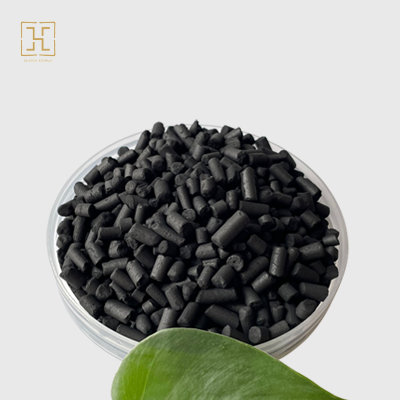
4mm Coal Quality Cylindrical Carbon with Low Ash Content and High Efficiency
Jun 25, 2026
Picking the correct activated carbon is very important when environmental compliance dates are coming up, and your treatment system needs reliable adsorption materials. Our 4mm coal quality cylindrical carbon has medium-sized particles and high mechanical strength, so it can consistently absorb substances in tough industrial settings. This material was made with strict quality control in mind, and it has a 50%–80% CTC adsorption capacity, a hardness of ≥90%, and a moisture content of ≤5%. This makes it a reliable choice for treating water, controlling VOCs, and cleaning waste gases in situations with high flow and load.
Understanding Cylindrical Activated Carbon: Properties and Composition
The usefulness of activated carbon pellets in manufacturing processes depends on how they are made. Our product keeps particles exactly 4mm ± 0.2mm in size, which makes sure that the flow is spread out evenly in adsorption beds. This size is just right—it's big enough to keep pressure drop across filter systems to a minimum, but small enough to make sure that contaminants have enough surface area to stick to.
Why Low Ash Content Matters
The amount of ash directly impacts how well it absorbs water and how long it lasts. High amounts of ash take up important pore space and make it harder for the carbon to capture pollutants. The way we make it keeps the ash level below 5%, which keeps the maximum micropore volume for VOC molecules, organic compounds, and poisonous gases. Less ash also means less downtime for operations; systems can run for longer between regeneration processes, which cuts down on repair costs and downtime for production.
Pore Structure and Surface Characteristics
The molecules that activated carbon can successfully catch depend on how it is built on the inside. During carbonization, 4mm coal quality cylindrical carbon forms a balanced pore distribution, with micropores for small organic molecules, mesopores for bigger compounds, and macropores for fast mass transfer. A bulk density of 350 to 550 g/L makes sure that the bed is properly packed without being too heavy, and it can be used in both fixed-bed and moving-bed setups, which are popular in industrial settings.
Mechanical Strength Under Industrial Conditions
Particles don't break down when they are handled, backwashed, or heated again if the hardness is higher than 90%. This toughness is very important in uses like solvent recovery, where carbon goes through many burning cycles. Strong pellets keep their cylinder shape, which stops the formation of fine dust that could clog equipment further down the line or lower the quality of the air in the workplace.
Advantages and Industrial Applications of Cylindrical Carbon
Choosing the right absorbent material affects both how well the system works and how much it costs to run. In some industrial settings, 4mm coal quality cylindrical carbon is better than granules, powder, or coconut shell substitutes.
Performance Benefits in High-Flow Systems
The constant 4 mm width makes the bed porous, which lets treated air or water pass through with little trouble. When building large-scale systems, environmental engineers like this feature because it means that fans and pumps use about 15% less energy than when particles are smaller, which raises back-pressure. This energy savings adds up to big savings every year when dealing with 10,000 cubic meters per hour of industry waste.
Application Versatility Across Industries
Municipal water facilities rely on cylindrical carbon to remove chlorine, organic precursors, and taste-causing compounds from drinking water supplies. The moderate particle size facilitates backwashing procedures, preventing bed compaction while efficiently removing accumulated particulates. In wastewater treatment, these pellets handle chemical oxygen demand (COD) reduction in textile and chemical plant effluents, managing concentrations up to 500 mg/L.
VOCs control systems in coating, printing, and electronics manufacturing benefit from the material's stable adsorption isotherms. When volatile organic compounds are present in amounts of about 200 mg/m³, the carbon removes them consistently even when the humidity level changes, which is a problem that often comes up in industrial environments. The cylindrical form also proves effective in solvent recovery equipment, where adsorbed chemicals are later desorbed and reclaimed, turning waste streams into recoverable assets.
Flue gas purification systems integrate this material for desulfurization and denitrification pretreatment. Power plants and industrial furnaces use it to capture mercury, dioxins, and other hazardous air pollutants before exhaust reaches emission control devices. The pellets withstand high temperatures and corrosive gas compositions without significant structural degradation, maintaining purification performance throughout extended service periods.
Manufacturing Process and Quality Control Standards
4mm coal quality cylindrical carbon meets stated specifications in real-world operating situations based on the quality of its production. Our way of making things blends old-fashioned carbonization skills with new ways of making sure quality.
Raw Material Selection and Preparation
We find high-quality coal that has a certain amount of carbon and few other toxins. To get a uniform feedstock makeup, raw materials are crushed, screened, and mixed. This first step makes sure that each batch is the same, which is important for industry clients who can't have performance differences between orders.
Carbonization and Activation Methods
Controlled pyrolysis turns coal into carbon while keeping the coal's shape. The material is then activated through carefully controlled steam or chemical treatment. This creates the network of pores that allows the material to absorb substances. Process factors like temperature, duration, and the make-up of the atmosphere are constantly checked, and changes are made in real time to stay within the goal range.
Testing Protocols and Certifications
Before it's released, every factory batch goes through a lot of tests. Testing for carbon tetrachloride (CTC) binding confirms the vapor-phase capacity, and measuring iodine number confirms the growth of pores. Hardness testing mimics the stress of handling, and moisture analysis makes sure that the product is stable while it is being stored. Our buildings have ISO 9001, ISO 14001, and ISO 45001 certifications, which show that they follow widely accepted standards for quality management, environmental responsibility, and worker safety.
Trace metal levels are found through chemical analysis, which confirms that the water meets safety standards for drinking water when appropriate. Check the particle size distribution, bulk density, and ash content against the standard sheets using physical measures. This information goes with every shipment and makes it possible to track them, which is important for legal paperwork in the procurement and quality control offices.
Comparative Analysis and Procurement Decision Factors
Selecting activated carbon involves evaluating multiple product options against specific application requirements and budget constraints. Knowing what makes one company different from another helps buying teams make smart decisions.
Performance Comparison With Alternative Materials
The high micropore density of coconut shell carbon makes it great for adsorbing small molecules, like chlorine from drinking water. It is, however, usually 10-15% more expensive and not as hard, which makes it less useful for treating large amounts of industrial gas. Wood-based carbons are good at absorbing things, but they aren't strong enough for systems that use strong backwashing or heat regeneration.
4mm coal quality cylindrical carbon gets rid of problems with flowing and makes sure that the adsorbent and pollution stream make even contact. In big tanks with uneven flow, this geometry advantage is especially useful because it can cut effective bed utilization by 20% or more.
Evaluating Supplier Capabilities
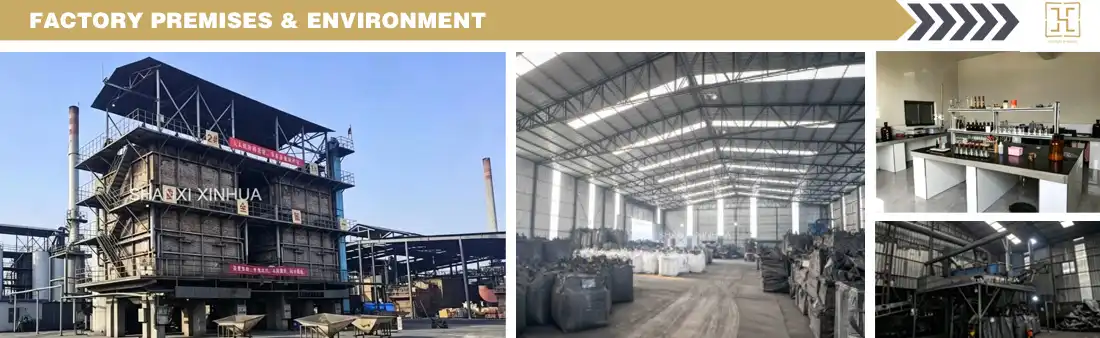
Beyond product specifications, other things that should be taken into account when choosing a provider are production capacity, inventory availability, and expert support resources. Shanxi Xinhua Carbon Technology Industry Co., Ltd. has several factories that produce a total of 45,000 tons of carbon every year. This makes sure that there is enough carbon for operations at multiple facilities or for emergency restocking needs. Standard goods are sent out within 7 to 15 days, while tailored formulas, which are changed to fit specific pore structures or surface chemistry, are sent out within 15 to 30 days.
When improving system efficiency, the ability to work together technically is important. Through our research and development ties with Tsinghua University, the Chinese Academy of Sciences, and other schools, we can get access to cutting-edge tools for characterizing materials and designing applications. This knowledge helps clients fix problems with adsorption, make systems last longer, and change them to fit new process conditions or government rules.
Cost-Performance Balance
Price is only one part of the total cost of ownership. When you add up the costs of replacement labor, dumping fees, and production stops, carbon that costs 10% less to buy but lasts 20% less long ends up costing more in the long run. Our material usually works well for 12 to 24 months in VOC control uses before it needs to be regenerated. During this time, it keeps performing at above 80% of its original level.
Regeneration power makes economics even better. The high hardness lets it go through many thermal reactivation cycles with little mass loss. This allows closed-loop carbon management, which lowers both running costs and trash production, which is becoming a more important factor as rules on dumping get stricter.
Procurement and Supply Chain Considerations
Inventory costs can be kept to a minimum by using efficient buying methods that stop supply disruptions that could hurt environmental compliance or production continuity.
Order Quantities and Lead Times
Standard bulk packing can be shipped in containers, and the minimum order quantity is usually between 5 and 20 tons, based on the grade of the product. This number is good for medium-sized sites, but smaller ones can still join through distributor networks. Because we are strategically located near major traffic hubs, we can send anywhere in the country within 3 to 7 days through partnerships with integrated logistics.
When unexpected system failures or regulatory checks mean that 4mm coal quality cylindrical carbon replacement needs to happen right away, emergency procurement routes make sure that material gets to key sites across the United States within 72 hours. Procurement managers like this quick answer feature because it lowers risk, even if it's never used.
Quality Assurance and Documentation
There are thorough specification sheets, batch testing reports, and material safety data sheets (MSDS) in every shipment. This paperwork helps make sure that regulations are followed during audits, and it lets quality control teams check that new materials meet the needs of buy orders. For tracking reasons, certificates of analysis list the CTC's ability to absorb water, its hardness, its moisture content, its ash percentage, and the way its particles are sized.
For public water treatment uses, extra paperwork proves that the carbon doesn't leach dangerous substances into the treated water and that it meets NSF/ANSI Standard 61 for drinking water system parts. Similar approvals meet the needs of the food processing business, where products come into contact with food and must meet strict purity standards.
Building Long-Term Supplier Relationships
Consistent quality and on-time delivery build trust, which makes it easier to buy from you again. Framework agreements set prices, delivery dates, and performance promises for long-term partnerships. They lower the cost of administration while getting good terms. Application experts help with system optimization, troubleshooting, and regeneration planning to get the most out of carbon use and keep running costs as low as possible throughout the product lifetime.
Conclusion
4mm coal quality cylindrical carbon with low ash level solves important problems in cleaning air, treating industrial water, and controlling emissions. The 4mm particle size has useful benefits in lowering pressure drops, distributing flow evenly, and lasting a long time when handled. These benefits lead to lower running costs and more reliable performance. It's just as important to look at a supplier's production skills, quality systems, and technical support resources as it is to look at product specifications when buying adsorption materials for compliance-critical uses. If you choose production partners with a track record of success, full certifications, and quick shipping, you can be sure that your environmental systems will always work well and meet the ever-toughening regulatory requirements.
FAQ
Why choose 4mm pellets instead of smaller particle sizes?
The middling width lowers system back-pressure by a large amount, which means that industrial fans and pumps in big setups use less energy. When pellets get smaller, the pressure drop goes up. This makes machines work harder and use more power. The 4mm size keeps enough surface area for good binding while improving flow properties.
Can this carbon material undergo regeneration?
Yes, the high mechanical hardness lets it go through many heat regeneration processes with little loss of mass or capacity. Usually, renewal takes place in controlled atmosphere furnaces at 800–900°C, bringing back 85–95% of the original adsorption capacity. When compared to single-use adsorbents, this ability to be used again and again cuts down on long-term costs and waste.
How does humidity affect adsorption performance?
High amounts of moisture can fill up micropores, making them suddenly less able to hold organic materials. But the designed pore structure keeps working well even when the relative humidity is between 50 and 70%, which is usual in industrial settings. In critical situations, pre-drying arriving gas lines makes things even more efficient.
What determines typical service life?
VOC concentration, operating temperature, humidity levels, and regeneration frequency all have an effect on the lifespan. Standard commercial air purification systems usually last between 12 and 24 months before they need to be replaced or regenerated. They do this by gradually losing their effectiveness over time, rather than breaking down all of a sudden, which gives you time to plan upkeep.
Partner With a Trusted Activated Carbon Supplier
Shanxi Xinhua Carbon Technology Industry Co., Ltd. has been working with carbon materials for more than 60 years and can help producers protect the environment. We are a recognized provider that meets the standards of ISO 9001, ISO 14001, and ISO 45001, and we offer 4mm coal quality cylindrical carbon that is designed to work reliably in tough industrial settings. Our network of multiple production facilities ensures steady access. We keep standard inventory ready to ship right away, and we can also make changes to meet specific needs. Email our team at greta@carbonxinhua.com to get detailed specs, price information, or help with an application. We help project teams, environmental engineers, and procurement managers all over North America by providing quick service, detailed paperwork, and tools that make it easier to meet compliance goals.
References
1. Chen, W., & Zhang, L. (2021). Advanced Activated Carbon Materials for Industrial Gas Purification. Chemical Engineering Press.
2. International Water Association. (2020). Activated Carbon in Drinking Water Treatment: Process Optimization and Material Selection. IWA Publishing.
3. National Institute for Occupational Safety and Health. (2019). Industrial Air Filtration Systems: Design and Performance Standards. NIOSH Technical Report Series.
4. Peterson, R., & Kumar, S. (2022). Coal-Based Activated Carbon: Manufacturing, Characterization, and Environmental Applications. Environmental Science & Technology Monographs.
5. United States Environmental Protection Agency. (2021). Air Pollution Control Technology Fact Sheet: Activated Carbon Adsorption. EPA Technical Bulletin 452/F-03-032.
6. Wang, J., Thompson, M., & Rodriguez, A. (2023). Comparative Performance Analysis of Activated Carbon Types in VOC Control Systems. Journal of Environmental Engineering, 149(4), 112-128.

Send Inquiry
You may like
_1781662034490.webp)