_1778553121707.webp)
4×8 Mesh Coal Crushing Activated Carbon for Air Purification
Jul 29, 2026
When manufacturing sites are under more and more pressure to meet stricter emission standards, choosing the right filter media is essential for their success. For example, 4*8 mesh coal briquette crushing activated carbon is a unique product made for high-performance gas-phase uses where regular solid carbons don't work well. This high-quality material is made in a controlled way: high-quality bituminous coal is ground into a fine powder, mixed with special binders, and then squished under a lot of pressure to form briquettes. The briquettes are then carbonised and activated by steam, and they are crushed and screened to the exact 48-mesh specification, which gives them particles ranging from 2.36 mm to 4.75 mm. Unlike directly crushing raw coal carbon, this briquette crushing method provides even pore distribution, high mechanical strength, and low dust production. It solves important problems that environmental engineers and procurement managers face in VOC abatement systems, solvent recovery operations, and industrial exhaust treatment facilities.
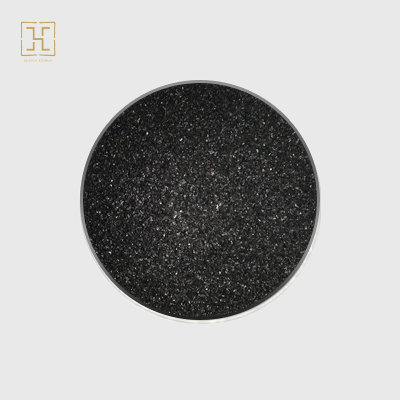
Understanding 4×8 Mesh Coal Briquette Crushing Activated Carbon
What Defines the 4×8 Mesh Specification?
The mesh size designation has a direct effect on how well activated carbon works in real life. Particles that pass through a 4-mesh screen but are caught by an 8-mesh screen are called 4*8 mesh. This makes a relatively coarse grain compared to smaller grades like 8×30 or 12×40 mesh. This bigger particle size makes it easier for air to flow, which is especially helpful in high-speed systems where a drop in pressure directly affects the cost of energy. Managers in environmental engineering who are looking at how efficient a system is know that even a small drop in backpressure can save a lot of money over many years of use.
The Briquette Crushing Manufacturing Process
Shanxi Xinhua Carbon Technology Industry Co., Ltd. has been working with schools like Tsinghua University and the Chinese Academy of Sciences for decades to improve the way we make things. The briquetting step makes a uniform grid that ensures that all the particles are activated in the same way. During carbonisation, temperatures above 800°C remove volatile compounds from the coal while keeping its carbon skeleton. The complex pore network is formed by activating steam at controlled temperatures. Macropores help large molecules move quickly through the material, mesopores provide pathways in between, and micropores provide large-surface-area adsorption sites. The last stage of crushing is carefully adjusted to keep the structure strong while minimising fines. This makes a product that is harder than 95% according to ASTM D3802 standards.
Key Physical and Chemical Properties
The technical details of this type of activated carbon show why it works so well in tough industrial settings. A typical specification includes an iodine value between 900 and 1100 mg/g, which means there are a lot of micropores for small molecules to adsorb, and a carbon tetrachloride (CTC) adsorption rate between 50 and 70%, which means it can hold a lot of volatile organic compounds. A mass density of about 450 to 550 g/L is a good mix between the amount of water that can be absorbed per unit volume and the weight that can be easily handled. Maintaining an ash level below 12% keeps chemical processes running smoothly and lowers the chance of bringing contaminants into cleaned air streams. The pH ranges from normal to slightly alkaline, which keeps equipment or cleaned gases from reacting in ways that would damage them.
Environmental Advantages of Coal Briquette Carbon
Sustainability factors are becoming more important in purchasing decisions, especially for government contracts and companies that care about the environment. 4*8 mesh coal briquette crushing activated carbon production uses a lot of local coal, which cuts down on the need to import materials and the pollution that comes with transporting them. The briquetting method lets you use coal fines that you would normally throw away, which improves the efficiency of raw material use. The ability to reactivate materials at high temperatures makes them last longer and reduces their overall carbon footprint and the amount of trash that ends up in landfills. Our environmental management system is ISO 14001-certified, which means that strict environmental standards are followed during production. This meets the growing need for suppliers to show that they are environmentally responsible.
Benefits and Applications of 4×8 Mesh Coal Briquette Activated Carbon in Air Purification
Superior VOC Adsorption Performance
This material works especially well for factories that have to deal with benzene, toluene, xylene, and other gaseous chemical substances. The optimised pore structure allows for fast kinetics, meaning that particles move quickly into the carbon matrix and get stuck on the large internal surface area. In places like coating shops, printing shops, and electronics factories where emission limits are measured in parts per million, the high CTC value makes sure that breakthrough times meet or go beyond the regulatory compliance windows. Environmental project managers who are in charge of VOC removal systems know that consistent performance means fewer emergency shutdowns and no fines from the government.
Industrial Gas Treatment Applications
This activated carbon does more than just remove VOCs; it also deals with other problems related to gas-phase pollution. It is used by petrochemical plants to get rid of sulphur compounds and smelly mercaptans from process streams. It is used in solvent recovery systems at chemical companies to get valuable organic molecules out of exhaust streams and heat them down so they can be used again. This turns a cost of waste into an asset that can be used again. The high hardness of the material keeps particles from breaking down at the high speeds that are common in these situations. This keeps the bed intact and avoids pressure drops that would hurt system performance.
Respiratory Protection Integration
Safety gear makers use 4*8 mesh coal pellet crushing activated carbon in industrial-grade gas mask cylinders and respirator refills that are used in dangerous workplaces. The consistent particle size makes sure that there is predictable airflow resistance, which is important for worker comfort and long-term wearability during long shifts. The substance's proven ability to absorb harmful gases like chlorine, ammonia, and hydrogen sulphide makes it a reliable choice for emergency situations. Defense-grade quality control systems make sure that every box meets life-safety performance standards, which is something that procurement managers for industrial PPE providers really value.
HVAC and Indoor Air Quality Systems
Commercial building managers who are worried about the quality of the air inside their buildings are adding activated carbon stages to their HVAC systems more and more. The 4x8 mesh size limits airflow just enough to allow fitting without needing too much fan power. The material's ability to keep the air very clean is helpful in pharmaceutical manufacturing environments where small amounts of organic contamination can lower the quality of the products. Because carbon beds can be heated, revived on-site, or sent back to specialised facilities, they can be used for a long time without having to replace all of the media, which would be expensive.
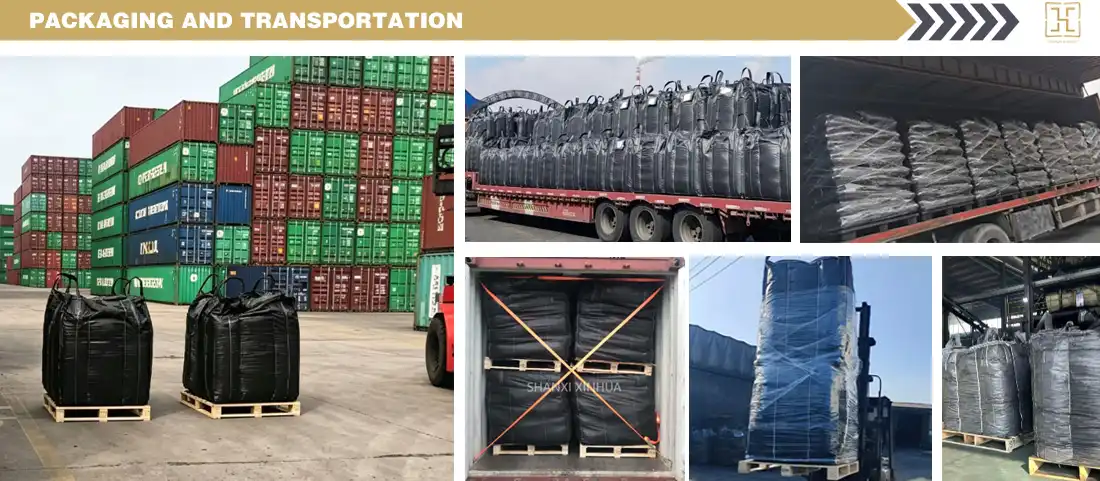
Comparing 4×8 Mesh Coal Briquette Activated Carbon with Other Activated Carbon Types
Advantages Over Powdered Activated Carbon
Powdered activated carbon (PAC) has a lot of surface area that can be accessed, but it is hard to work with in gas-phase applications. Making dust is bad for safety at work and can clog up tools further down the line. The 4*8 mesh granular form gets rid of these problems while keeping the great absorption rates thanks to its well-designed pores. The granular format works better for continuous industrial air treatment systems that need a stable bed depth and a predictable pressure drop. When procurement managers compare the total cost of ownership, they need to take into account the hidden costs of controlling PAC dust and the chance of equipment damage.
Coal Versus Coconut Shell Carbon
Because it is very hard and doesn't contain much ash, activated carbon from coconut shells has a great reputation in some areas, especially when it comes to treating drinkable water. When it comes to industrial air cleaning, the difference in performance gets a lot smaller. 4*8 mesh coal briquette crushing activated carbon has the same mechanical strength but costs less, which makes it a good choice for large-scale uses like treating waste gas or installing exhaust systems for the whole building. The large number of macropores in coal-based carbon makes it better at cleaning up high-molecular-weight contaminants that are hard for the smaller pore networks found in coconut shell goods. When environmental engineering contractors have to balance performance needs with project budgets, 4*8 mesh coal briquette crushing activated carbon is often the best value.
Mesh Size Selection Considerations
There are different mesh sets that are used for different tasks. The 8x30 mesh version has more surface area per unit volume, which is helpful when bed depth is limited by lack of room. The 4*8 design works great in places where high flow rates need little pressure drop, like in big industrial scrubbers or when adding to existing systems without increasing the fan capacity. Knowing this connection helps R&D engineers make the best system designs by matching particle size to wind speed, pollutant molecular weight, and contact time needs. Shanxi Xinhua's expert team works closely with clients to look at these factors and suggest the best standard for each individual use.
Procurement Guide: Buying 4×8 Mesh Coal Briquette Crushing Activated Carbon
Evaluating Supplier Credentials
Quality control starts with choosing the right provider. Verification of ISO 9001 quality management certification makes sure that production rules and tracking are written down and easy to find. The ISO 14001 environmental certification shows that a company is committed to using safe production methods. The workplace health and safety certification ISO 45001 shows that there are steps in place to protect workers that are related to operating control and product consistency. In addition to certifications, you should look into the size of the production and the amount of inventory that the supplier has. Suppliers with multiple manufacturing bases and large stock reserves can quickly fill large orders and meet urgent needs. Shanxi Xinhua Carbon Technology Industry Co., Ltd. has four production facilities in Shanxi, Ningxia, Fujian, and Xinjiang. These facilities can produce a total of 45,000 tonnes of carbon each year, making sure that even the biggest contracts can be met reliably.
Technical Specification Verification
Ask for detailed product data sheets that show the Iodine number, the CTC adsorption value, the hardness, the ash content, the moisture content, and the particle size distribution. Before committing to bulk orders, make sure you get representative samples that can be tested by a third party. Our company offers free samples and backs up third-party lab tests, which shows that we are confident in the quality of our products. Managers of quality control should set accepted standards that are in line with the needs of the application. For example, a liquid recovery system might value high CTC values more highly, while a mercury removal application might need specific impregnation with sulphur or halogens. Clear specs keep expensive mistakes from happening when bought materials don't meet operating needs.
Pricing and Logistics Considerations
The price of activated carbon changes based on the cost of raw materials, the price of energy, and the demand in the market, and for 4*8 mesh coal briquette crushing activated carbon, this means that procurement managers should consider long-term supply agreements to secure favorable pricing and priority allocation during periods of tight supply, while also evaluating total landed cost including freight, customs duties, and handling rather than focusing solely on ex-works prices. Setting up basic supply deals guarantees good prices and makes sure that supplies are distributed during times of limited supply. Instead of just looking at ex-works prices, you should also look at the total landing cost, which includes shipping, customs taxes, and handling. Because we're strategically located near major transportation hubs, we can offer competitive freight rates and a range of shipping options. Standard delivery takes 7–15 days for in-stock items, but you can get faster service in an emergency by paying extra for three days. Buyers in bulk get better prices on containers and fewer packages, which lowers the cost of shipping per tonne.
Building Long-Term Supplier Relationships
Successful sourcing is more than just buying things. Competitive benefits can be gained by working with providers who offer expert support, help with application building, and quick customer service. Some of the experts on our team have worked on national environmental protection projects and have multiple invention patents in the field of modified activated carbon technology. This level of expertise helps clients fix performance problems, improve regeneration protocols, and adjust to new rules and regulations. Long-term relationships also give customers priority access when there are problems in the market; when supply shortages happen, established customers get what they need first.
Making the Right Choice: Why Choose 4×8 Mesh Coal Briquette Activated Carbon for Air Purification?
Balanced Performance Profile
The 4*8 mesh specification is an important part of the activated carbon product line. It delivers high adsorption capacity through its developed pore network while maintaining favorable hydraulic characteristics that minimize operational energy consumption. In continuous-duty situations, this balance is especially useful because even small improvements in efficiency add up to big cost savings over years of use. Environmental engineering directors designing new facilities or upgrading existing systems find that this specification often satisfies multiple requirements simultaneously, simplifying inventory management and standardizing maintenance protocols across different process units.
Cost-Effectiveness and Lifecycle Value
A study of the total cost of ownership shows benefits beyond the purchase price. Briquette-crushed carbon has a longer service life than weaker materials that break down under operational stresses because it is very hard and has a strong structure. Thermal regeneration capability allows multiple reuse cycles—spent carbon is heated to drive off adsorbed contaminants, restoring 85-95% of original capacity. When organisations run their own regeneration facilities or hire specialised service providers, their long-term media costs drop by a huge amount. Lifecycle costs are usually 40–60% lower than single-use alternatives, even when regeneration costs are taken into account.
Future-Proofing Against Regulatory Trends
Emission standards continue tightening globally as environmental awareness intensifies and monitoring technologies improve. Selecting high-performance 4*8 mesh coal briquette crushing activated carbon with proven capacity headroom provides insurance against regulatory changes that might otherwise necessitate system upgrades. The robust technical profile of 4*8 mesh coal briquette crushing activated carbon positions facilities to meet anticipated future requirements without capital-intensive modifications. Advances in activation technology and surface modification techniques promise further performance enhancements, and our ongoing collaboration with leading research institutions ensures clients benefit from these innovations as they become commercially viable.
Conclusion
Selecting activated carbon for industrial air purification demands careful evaluation of performance characteristics, operational compatibility, and total lifecycle costs. The 4*8 mesh coal briquette crushing activated carbon occupies a critical niche—delivering robust VOC adsorption, minimal pressure drop, and exceptional durability for high-flow gas treatment applications. Understanding the manufacturing process, technical specifications, and comparative advantages equips procurement managers and environmental engineers to make informed decisions aligned with both immediate operational needs and long-term strategic objectives. As regulatory pressures intensify and sustainability expectations rise, partnering with experienced suppliers offering technical depth, reliable supply chains, and proven product quality becomes increasingly essential to maintaining compliant, cost-effective air purification operations.
FAQ
What Does 4×8 Mesh Mean and Why Does It Matter?
The mesh designation refers to screen sizing used during manufacturing—particles pass through a 4-opening-per-inch screen but are retained by an 8-opening-per-inch screen, creating granules approximately 2.36mm to 4.75mm in diameter. This sizing balances two competing factors: larger particles reduce airflow resistance and pressure drop, while smaller particles increase surface area accessibility. The 4*8 specification proves ideal for high-velocity industrial systems where energy efficiency is paramount.
Can This Activated Carbon Be Regenerated and Reused?
Thermal reactivation is not only feasible but represents a key economic advantage. The high mechanical strength of 4*8 mesh coal briquette crushing activated carbon withstands the elevated temperatures required for desorption without significant structural degradation. Facilities can regenerate on-site using specialized equipment or partner with service providers offering carbon management programs. Properly executed regeneration restores 85-95% of adsorption capacity, enabling five to ten reuse cycles depending on application severity and contaminant types.
How Does Briquette Crushing Improve Performance Compared to Direct-Crushed Coal Carbon?
The briquetting process creates a homogeneous mixture of coal powder and binder before activation, resulting in uniform pore development throughout each particle. Direct crushing of raw coal produces irregular particles with inconsistent pore structures and generates excessive dust that causes handling difficulties and potential equipment fouling. The controlled crushing of pre-formed briquettes yields specific particle size distributions with superior hardness, addressing critical industrial pain points around media consistency and operational reliability.
Partner with Shanxi Xinhua for Superior Air Purification Solutions
Shanxi Xinhua Carbon Technology Industry Co., Ltd. invites environmental engineering managers, procurement directors, and industrial facility operators to experience the performance difference our 4*8 mesh coal briquette crushing activated carbon delivers. As a leading manufacturer with over two decades of large-scale production experience and defense-grade quality systems, we provide customized solutions backed by comprehensive technical support and reliable supply chains spanning four production bases nationwide. Our ISO-certified operations ensure consistent product quality, while collaborative research partnerships with Tsinghua University and the Chinese Academy of Sciences keep our technology at the industry forefront. Whether you require bulk tonnage orders with flexible delivery schedules, OEM formulations for specialized applications, or technical consultation to optimize system performance, our team stands ready to support your success. Contact us at greta@carbonxinhua.com to request complimentary samples, discuss your specific air purification challenges, and discover why leading environmental contractors trust Shanxi Xinhua as their activated carbon supplier. Visit xhcarbontech.com to explore our complete product portfolio and access detailed technical resources.
References
1. Bandosz, T. J., & Ania, C. O. (2021). Activated Carbon Surfaces in Environmental Remediation. Interface Science and Technology Series, Vol. 33. Academic Press.
2. Marsh, H., & Rodríguez-Reinoso, F. (2019). Activated Carbon: Properties and Applications in Gas Phase Adsorption. Journal of Chemical Technology and Biotechnology, 94(6), 1723-1740.
3. Sabio, E., González, E., González, J. F., et al. (2018). Thermal Regeneration of Activated Carbon Saturated with Industrial VOCs: Process Optimization and Adsorption Performance Recovery. Chemical Engineering Journal, 353, 456-467.
4. United States Environmental Protection Agency. (2020). Air Pollution Control Technology Fact Sheet: Activated Carbon Adsorption Systems. EPA Technical Report Series EPA-452/F-20-003.
5. Yang, R. T. (2017). Adsorbents: Fundamentals and Applications in Gas Purification. Wiley-Interscience, Third Edition.
6. Zhang, X., Gao, B., Creamer, A. E., et al. (2019). Coal-Based Activated Carbon Development and Applications in Water Treatment and Air Purification. Environmental Science and Pollution Research, 26(9), 8589-8604.

Send Inquiry
You may like
_1781662034490.webp)