_1778553121707.webp)
4-8 Coal Quality Crushed Carbon for Water & Air Filtration | Factory
Jun 29, 2026
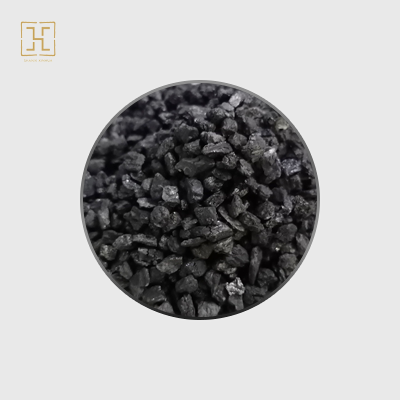
Our 4-8 Coal quality crushed carbon is a unique filter material made for tough industrial cleaning jobs. The particles in this coarse-grained coal-based activated carbon range in size from 2.34 to 4.75 mm. It has a high iodine value of 800 to 1100 mg/g and a hardness of over 90%. It also has well-developed pores. This material is made from high-quality bituminous coal found in Shanxi Province. It is an important pre-treatment layer in systems that clean water and air because it successfully blocks big particles and has high wear resistance in high-flow environments.
Understanding the Material: Core Properties That Matter
You should think about what happens inside your cleaning system when you look at filter media. 4-8 Coal quality crushed carbon in the 4–8 mesh range has a special set of physical properties that have a direct effect on how well it works.
Particle Size Engineering and Flow Dynamics
Particles that are between 2.36 mm and 4.75 mm in size are what the 4-8 mesh definition means. This size wasn't picked at random. Smaller particles are taken away by airflows faster than 1.5 m/s in fluidized bed systems and high-velocity gas treatment uses. This wastes material and makes the system less effective. Our crushed carbon keeps its shape at these high flow rates, staying in place while still letting gases and liquids pass through easily. The rough surface and angular particle shape make irregular flow patterns that give contaminants and binding sites more time to come into contact with each other.
Mechanical Durability Under Operating Stress
In industrial filtration, 4-8 Coal quality crushed carbon materials are constantly worn down, the pressure changes, and they are handled with a lot of stress. The fact that the hardness is above 90% means that this crushed carbon won't break down during regular operation, loading, and backwashing. When activated carbon breaks down into smaller pieces, it makes dust that gets into other processes and stops them from working. The wear rate, kept below 2% throughout the service life, means that processes are cleaner and maintenance needs are lower. This longevity comes from the carefully controlled carbonization process and the choice of coal source. Bituminous coal provides the structural framework needed for long-term mechanical stability.
Adsorption Capacity and Pore Architecture
The iodine number between 800 and 1100 mg/g shows how many micropores are available for binding in the material. This range isn't as good as ultra-high-performance carbons, which are used to get rid of tiny contaminants, but it works great for pre-treatment tasks that need to get rid of bigger molecules and particles. There is a good mix of macropores for fast diffusion, mesopores for catching medium-sized molecules, and micropores for final adsorption in coal-based broken carbon. Before they get to your fine filtration steps, this structure takes care of organic chemicals, substances that cause smells, and suspended solids.
Comparing Filtration Media: Why This Specification Performs
A lot of the time, industrial buyers have to choose between different types of carbon and particle sizes. Knowing how 4-8 Coal quality crushed carbon stacks up against other options can help you choose the right materials for the job.
Crushed Carbon Versus Granular and Pelletized Forms
Granular activated carbon usually has particles that are 8 to 30 mesh or smaller. This gives you more surface area per unit volume, but it also lowers the pressure, so you can't use it for high-flow pre-treatment. Columnar carbon that has been pelletized or extruded has regular cylindrical forms that pack tightly, but the process of making it costs more, and it can't handle the same flow rates as broken carbon without fluidization problems. Our 4-8 mesh material is in the perfect range for underlayment and coarse filters, where you need it to be both permeable and able to absorb enough.
Coal-Based Versus Coconut Shell Carbon Characteristics
Activated carbon from coconut shells gives materials a lot of toughness and higher iodine levels, sometimes more than 1200 mg/g. Its micropore-dominant structure, on the other hand, makes it less useful for pre-treatment tasks that need to target bigger molecules and particles. Crushed carbon made from coal has the right amount of mesopores to take in the wide range of molecular weights found in industrial wastewater and exhaust gases. The difference in price is also important for large-scale uses, where coal-based materials are more cost-effective for pre-filtration steps and specialty carbons are better for cleaning steps, where their better performance justifies the higher price.
Procurement Strategy: Selecting Suppliers That Deliver Reliability
Choosing suppliers who are reliable is part of the procurement strategy. It takes more than checking prices per ton to find supplies for industrial filtration. Product consistency, supply continuity, expert help, and transportation performance are all parts of the total cost of ownership for 4-8 Coal quality crushed carbon.
Certification and Quality Management Systems
Our buildings have ISO 9001, ISO 14001, and ISO 45001 certifications, which show that we take a structured approach to quality control, worker safety, and environmental management. These are not just lessons in filling out forms. The ISO 9001 framework uses written processes, controlled testing routines, and traceability tools to make sure that each batch is the same. It is guaranteed that the materials in a package will meet your needs because they are made using tried-and-true methods. The ISO 14001 certification covers things like controlling pollution and using safe sources of materials, which are becoming more and more important as environmental laws get stricter across the board. Companies that follow these standards can give you the detailed documents you need to follow the rules and make sure the quality of your work is good.
Production Capacity and Inventory Management
Technical Collaboration and Customization Capabilities
We have the technical knowledge to make materials fit special needs because we work with study institutions like Tsinghua University and the Chinese Academy of Sciences. You may need different hole sizes to target certain types of compounds, different ash contents for delicate processes, or different sizes for different equipment setups. Our expert team looks at the chemistry of the water, the gases that are in it, the flow rates, and your treatment goals to come up with specs that will get the best results. This collaborative method goes beyond the initial supply. If practical questions come up, engineers are ready 24 hours a day, seven days a week.
Processing Methods That Ensure Performance Consistency
The quality of 4-8 Coal quality crushed carbon depends a lot on how well it is made and how strictly it is checked for quality throughout the whole process.
Raw Material Selection and Carbonization Control
We get our bituminous coal from reserves in Shanxi Province that were formed in the Jurassic period. These mines are known for having low amounts of ash and a good mix of volatile matter. The carbonization process takes place in rotating kilns with controlled atmospheres. Here, the temperature profiles and dwell times are carefully controlled to create the desired pore structure without turning the material too carbonated into graphitic forms that lose their ability to absorb. Post-carbonization screening gets rid of particles that don't meet specifications, keeping the 4–8 mesh range within acceptable limits. By paying close attention to stability in size, problems with changing pressure drops and flow channels are avoided, which happen when particle size ranges move outside of what is expected.
Activation and Surface Treatment
The internal pore network is formed when steam is activated at temperatures between 800°C and 900°C. The final iodine value and pore volume are based on the activation burn-off percentage, which is controlled by the steam flow rates and dwell time. Our process constantly aims for the 800-1100 mg/g range. This keeps performance from fluctuating, which happens with suppliers who don't have advanced process control. Acid washing gets rid of the liquid parts of ash, which lowers the chance of contaminants leaking and raises performance in delicate processes like pre-treating drinking water. Adjusting the end product's wetness level to certain levels stops shipping weight differences and makes sure the material is ready to use right away without having to go through any extra drying steps.
Quality Testing and Batch Verification
Standardized tests are done on every output batch using ASTM and GB/T guidelines. Testing for iodine number confirms the ability to absorb, testing for hardness confirms the material's mechanical strength, and testing for ash content confirms that the purity levels meet requirements. Using sieve stacks to look at the particle size distribution proves that the 4-8 mesh standard is true for the whole batch. With every package, we include a certificate of analysis, which gives your quality control team the proof they need to check the new materials. Because the information is clear, you can be sure that it will work as planned when you load it into your systems.
Real-World Applications: Where Performance Meets Economics
You can figure out if 4-8 Coal quality crushed carbon is right for your needs by seeing how it works in real industry settings.
Industrial Wastewater Pre-Treatment Systems
Chemical factories, electroplating shops, and food processing plants all make sludge that has oils, large molecular organic compounds, color-causing substances, and suspended solids in it. Adding a layer of broken carbon filtering before biological treatment or reverse osmosis keeps the processes that come after from getting clogged up or overloaded. In a textile dyeing business that treated 500 cubic meters of wastewater every day, a 4-8 crushed carbon bed got rid of 60–75% of the color and 40–50% of the COD before biological treatment. This made the activated sludge system work better and needed fewer chemical doses. The large particle size made it possible to backwash at a reasonable rate without making the bed too slippery.
High-Flow Gas Purification in Manufacturing Environments
Paint spraying facilities, printing operations, and chemical synthesis units all release pollution that is high in VOCs and needs to be treated before it can be released into the air. When gas flow rates are higher than 10,000 cubic meters per hour, using fine activated carbon causes pressure drops that are not acceptable. The use of 4-8 Coal quality crushed carbon as a pre-filter picks up particulate overspray, aerosols, and heavy organic compounds. This lets adsorption beds or catalytic oxidizers handle the leftover vapor-phase toxins better further down the line. One company that coats cars got rid of 90% of the particles and 65% of the volatile organic compounds (VOCs) in the pre-treatment stage by using crushed carbon. This made the final cleaning of the carbon bed last longer, from 8 months to 18 months.
Mining and Mineral Processing Water Treatment
When mines work, they make a lot of cloudy water that has rock bits, heavy metals, and process poisons in it. 4-8 broken carbon is great for these rough jobs because it has a high mechanical strength. A copper mine in Arizona used a crushed carbon pre-treatment system before its clearing process. This cut the amount of suspended solids by 70% and got rid of any flotation chemicals that were getting in the way of recovering the metals further down the line. The strong material worked well in the rough slurry environment for 24 months without losing much of its strength.
Filter Bed Underlayment in Municipal Water Systems
Graded filter media are used in multimedia bed arrangements in water treatment plants. The thickest layer at the bottom supports the structure and keeps the smaller media from leaving through the collection laterals. When 4–8 broken carbon is used as underlayment instead of neutral gravel, it adds a useful adsorption component while still providing mechanical support. A number of public buildings say that moving to carbon underlayment has helped control smells and tastes better, with no operating issues compared to using standard gravel substrates.
Conclusion
Choosing the right pre-treatment filter media affects how well your whole cleaning system works, how much it costs to run, and how often it needs to be maintained. For high-flow uses where mechanical strength, sufficient adsorption capacity, and financial value must converge, the 4-8 Coal quality crushed carbon offers an engineered answer. Its particle size can handle high flow rates without losing any material, its hardness can handle practical loads, and its pore structure traps the big molecules and particles that could damage equipment further down the line. When you choose a supplier based on quality systems, output capacity, and expert support, you can be sure to get a material that protects your investment and meets the ever-rising standards for environmental compliance.
FAQ
Why select 4-8 mesh rather than 8-30 mesh for pre-treatment applications?
The 4–8 mesh size works for systems that need better flow rates and less pressure drop. In situations where fluidized beds are working at gas speeds higher than 1.5 m/s or where water treatment systems have backwashing cycles, the bigger particles stay put and don't move. The 8-30 mesh range works better for fixed-bed adsorbers that deal with slower flow rates and want to maximize surface area more than pressure drop. Your choice for 4-8 Coal quality crushed carbon should fit the form of the tools and the way it will be used.
Can this material be activated again and again for more than one service cycle?
Coal-based broken carbon is great for thermal recovery because it has a high mechanical strength. After absorbing a lot of contaminants, the material can be heated again in a kiln at temperatures between 800°C and 900°C. This burns off the organics it has absorbed and partly restores its ability to absorb. Reactivation programs that are well run can restore 85–90% of the capacity, which means that the system can be used three to five times before it needs to be replaced. This cuts your total carbon consumption costs by a huge amount compared to one-time methods.
What procedures prevent black water discharge during system startup?
Fines left over from making and sending are in the new activated carbon. Before putting the system live, it needs to be fully backwashed as part of the proper setup. We suggest filling the filter bed and letting it soak for 24 hours to wet the structure of the pores inside. Then, backwashing at rates that slowly rise until the sewage is clear. Usually, this needs to be backwashed for 30 to 45 minutes at flow rates that cause the bed to expand 20 to 30 percent. Skipping this step will cause brief black water because the fines will wash out during the first process.
Partner with a Proven 4-8 Coal Quality Crushed Carbon Manufacturer
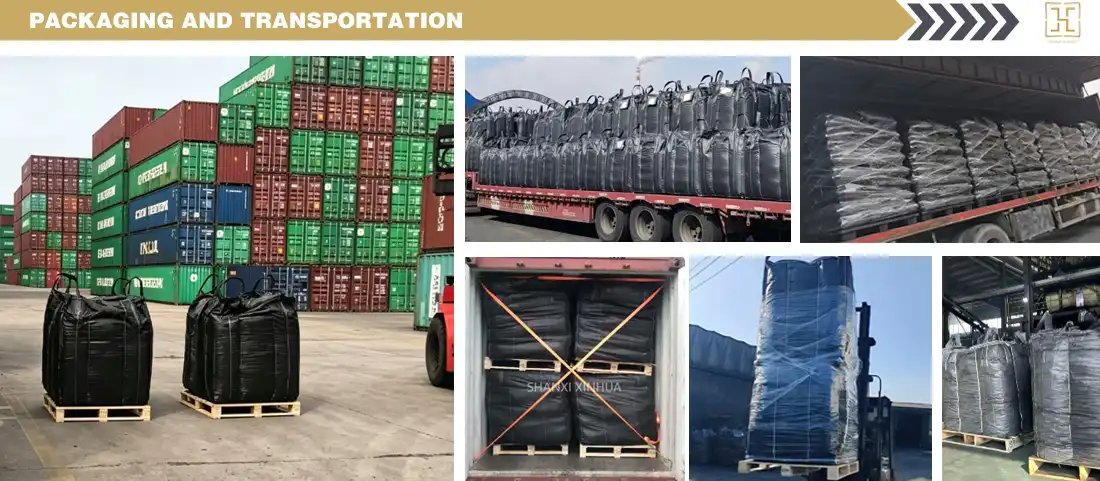
Shanxi Xinhua Carbon Technology Industry Co., Ltd. can help you with your buying needs because they have been making activated carbon for more than 60 years. Through long-term study partnerships with Tsinghua University and the Chinese Academy of Sciences, we have created defense-grade quality methods for our 4-8 Coal quality crushed carbon. We keep all of our core goods in stock across our entire nationwide production network. This means that normal orders will be delivered within 7–15 days, and projects that need a quick answer can use 3-day expedited shipping. Our ISO-certified facilities provide consistent product specs, detailed technical documentation, and expert help that you can work with on the whole project lifecycle. We provide the supply stability and performance consistency your operations need, whether you're an environmental engineering contractor, a local water authority, or the boss of an industrial plant. Email our technical team at greta@carbonxinhua.com to talk about your application needs and get personalized specs that will make your purification system work better and cost less.
References
1. Bansal, R.C., and Goyal, M. (2005). Activated Carbon Adsorption. CRC Press, Boca Raton, Florida.
2. Marsh, H., and Rodríguez-Reinoso, F. (2006). Activated Carbon. Elsevier Science Ltd, Oxford, United Kingdom.
3. Çeçen, F., and Aktaş, Ö. (2011). Activated Carbon for Water and Wastewater Treatment: Integration of Adsorption and Biological Treatment. Wiley-VCH Verlag, Weinheim, Germany.
4. Mattson, J.S., and Mark, H.B. (1971). Activated Carbon: Surface Chemistry and Adsorption from Solution. Marcel Dekker Inc, New York.
5. Derbyshire, F., Jagtoyen, M., Andrews, R., Rao, A., Martin-Gullon, I., and Grulke, E. (2001). "Carbon Materials in Environmental Applications," in Chemistry and Physics of Carbon, Volume 27, Marcel Dekker Inc, New York.
6. Activated Carbon: Solutions for Improving Water Quality (2013). American Water Works Association, Denver, Colorado.

Send Inquiry
You may like
_1781662034490.webp)