_1778553121707.webp)
4-8 Coal Quality Crushed Carbon for Adsorption and Purification
Jun 30, 2026
Every part is important when you're in charge of commercial water cleaning or gas purification systems. 4-8 Coal quality crushed carbon is a special kind of activated carbon that is made to be used in the first stages of cleaning. The particles in this coarse-grained carbon range in size from 2.36 mm to 4.75 mm. It is great at catching big impurities and solids in suspension, protecting the fine adsorption materials further down the line while still being very strong and resistant to wear. Its well-developed porous structure combines strong physical qualities with a reliable ability to absorb water. This makes it an important material for pre-treating industrial wastewater, filter bed underlayment, high-flow gas purification, and treating mine wastewater.
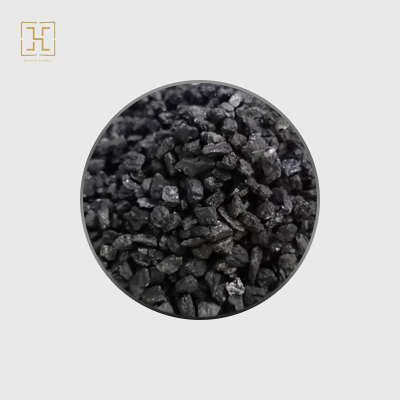
Understanding 4-8 Coal Quality Crushed Carbon for Adsorption and Purification
What Makes This Carbon Material Different
Coal-based crushed carbon with a coarse grain is very different from products with a smaller mesh. The bigger particle size makes the surface rough while keeping the well-developed pore structures inside. This mix gives you high mechanical strength and great wear protection, which are very important when your system works all the time under tough conditions.
The iodine level in our 4-8 Coal quality crushed carbon material from Shanxi Xinhua Carbon Technology Industry is between 800 and 1100 mg/g, which means it has a lot of adsorption power. The hardness is higher than 90%, which means the carbon won't break down during use. This crushed carbon is made from high-quality Jurassic lignite coal and keeps its shape even when airflow rates are higher than 1.5 m/s.
Critical Physical and Chemical Properties
The wetness level stays below 5% most of the time, which keeps extra water from getting in the way of the adsorption process. Strict quality management keeps the ash content in check, which lowers the chance of secondary poisoning in gas or water streams that have already been cleaned. Sulfur levels are kept to a minimum by carefully choosing and processing sources. This is very important for sensitive uses that need to keep sulfur influence to a minimum.
The calorific value is not as important as it is in burning uses, but it still shows how much energy the carbon has and how stable its structure is. The specific surface area growth—often between 500 and 800 m³/g for this particle size—provides enough active sites for capturing contaminants at the start without the extra pressure drop that comes with smaller materials.
The Strategic Role in Industrial Systems
Your cleansing system is like a defense system with many layers. This crushed carbon is your first line of defense. At this stage, large particles, suspended solids, and coarse organic molecules are trapped, which makes the next stages of fine adsorption much easier to work with. This protective feature makes expensive fine-grade activated carbons last longer, which lowers the cost of refilling and keeps the system running.
Additionally, the substance naturally has the ability to absorb smells and large molecules of biological matter. It works well on COD amounts between 300 and 800 mg/L in industrial wastewater cleaning. It removes medium to high levels of VOCs (above 500 mg/m³) from high-flow workshop exhaust systems, where smaller materials would cause pressure drops that aren't acceptable.
How to Test and Analyze the Quality of Crushed Carbon Coal
Standard Testing Protocols You Should Know
Proximate analysis is the first step in making sure the quality of something. It is a basic set of tests that measure things like moisture, flammable matter, ash level, and fixed carbon percentage. These factors have a direct effect on the ability to adsorb and the sturdiness of the material. The last step is to do a chemical study, which includes finding out how much carbon, hydrogen, nitrogen, sulfur, and oxygen are present.
Iodine number testing is still the usual way to check for micropore development and adsorption ability in the business. The range of 800-1100 mg/g shows good results for getting rid of dissolved organics and color chemicals. The methylene blue number gives extra details about the shape of mesopores, which is especially useful for large molecule adsorption.
Advanced Laboratory Techniques
Using nitrogen adsorption isotherms in BET surface area research gives accurate readings of total surface area and pore size distribution. This information is very important when you're trying to figure out if a certain type of carbon meets your unique adsorption needs.
Practical Sample Collection and Validation
When asking possible sources for samples, be clear about what tests you need to be done. For a proper sampling technique, you should get representative pieces from several points in a production batch. Don't accept samples from just one point, as they might not show the general quality. Let your testing lab do two separate tests to make sure they are consistent. Before you buy a lot of something, check the supplier's certificates against your own test results.
Comparing Crushed Carbon Coal with Other Coal Types for Adsorption and Purification
Understanding Different Carbon Feedstocks
Bituminous coal-based carbons usually have better mesopore structure than products made from anthracite. This makes bituminous sources very good at getting rid of color and big molecules, tasks where mesopores make it easier to reach active adsorption sites. Anthracite has a lot of carbon and not much ash. It also makes carbons that are mostly microporous, which makes them better at capturing small molecules like liquid droplets.
Before it can be used, lump coal has to be crushed and sized, which changes the shape of the particles and could lead to more fines during processing. Coal material that has already been crushed and sized, like the kind we use for our 4-8 Coal quality crushed carbon, goes through controlled handling that keeps the particle size distribution stable. This stability means that the flow and bed density will be the same in all of your filter systems.
Performance Differences in Industrial Applications
The minimum fluidization velocity in fluidized bed solvent recovery systems is based on the particle size and density. The 4-8 Coal quality crushed carbon material keeps fluidizing well above 1.5 m/s without too much entrainment, while the 8–30-mesh carbons might need slower speeds of 0.8–1.2 m/s. With this flow rate feature, you can move more gas through a given bed volume, which increases output without lowering recovery efficiency.
Selection Criteria Based on Process Requirements
To match the right carbon type for your purpose, you need to know about breakthrough properties. The 4-8 Coal quality crushed carbon gives a longer empty bed contact time (EBCT) at acceptable pressure drops when used in fixed bed reactors to treat high-concentration VOCs. Depending on the amount of total organic carbon (TOC) in the water, the service life is usually between 12 and 36 months before it needs to be reactivated or replaced.
The high mechanical strength of coarse-grained materials is helpful for chemical reaction processes that use carbon as a catalyst. It is possible to load more than 15% of the catalyst, and the reaction efficiency can go above 95% in situations like making methanol, where the carbon material has to be able to handle both chemical attack and mechanical stress at the same time.
Purchasing Guide: How to Source Certified High-Quality Crushed Carbon Coal
Bulk Procurement Considerations
Minimum order amounts for common grades usually start at 5 metric tons, but this can change depending on how much the seller can make. At Shanxi Xinhua Carbon Technology Industry, we can produce 45,000 tons of carbon each year across various sites. This means that you can choose the size of your order based on how much you use. The details of delivery rely on where you live. Standard goods shipped within the United States usually arrive within 7–15 days, but foreign orders take longer to get to their destination.
Pricing models take into account a number of things, such as the cost of raw materials, the difficulty of the process, the need for licensing, and the number of orders. Ask for specific quotes that break down the main price, any customization fees, the cost of packaging, and the cost of shipping. When you buy more than 20 tons, you usually get a discount. This makes framework supply agreements a good deal for businesses that know they will be using a lot of goods over and over again.
Evaluating Supplier Reliability
Verification of certification is very important. Suppliers that are trustworthy have ISO 9001 certifications for quality management, ISO 14001 certifications for environmental management, and ISO 45001 certifications for health and safety at work. These aren't just for looks; they show that quality control and production standards are being followed. Instead of relying on what someone says, look at the real certificate papers.
The ability to provide technical help is what sets good partners apart from good sellers. Does the seller offer customization? Do they have professional staff that knows what your application needs? Because Shanxi Xinhua works with Tsinghua University, Central South University, and the Chinese Academy of Sciences, we can get help with cutting-edge study and application engineering.
Your supply security is directly affected by how much you can produce and how you handle your goods. Suppliers who keep a smart inventory of core products—ideally, enough to cover all needs—can reply quickly to pressing requests. Our production system has bases in Shanxi, Ningxia, Fujian, and Xinjiang. This gives us geographic flexibility and lowers the chance of problems happening in those areas.
Contract Terms and Quality Assurance
Before signing the deal, make sure there are clear standards for accepting quality, especially for products such as 4-8 Coal quality crushed carbon. List the test methods, acceptable boundaries, ways to settle disagreements, and sample rules. Include ways for a third party to test the work if there are quality issues. Most warranties last for 12 months, during which time the seller should fix any real quality problems by replacing the item or giving you money.
Ask current customers who have used similar tools for examples. Talking to other environmental engineering firms or water treatment plants that use the supplier's goods can give you information that marketing materials can't. Ask especially about how reliable delivery is, how quickly technical help responds, and how consistent the service is across multiple shipments.
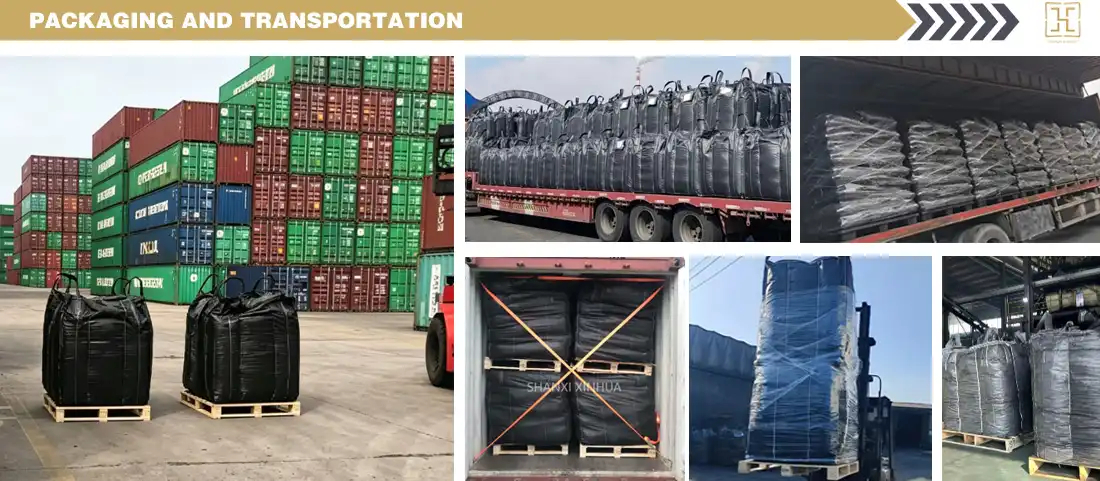
Advantages and Future Prospects of 4-8 Coal Quality Crushed Carbon
Core Competitive Benefits
When you combine high adsorption efficiency with mechanical stability, you get instant practical benefits. Fluidized bed systems can collect 96% of the solvent, which saves a lot of money on raw materials when they get back benzene, acetone, ethanol, or other valuable organic substances. Environmental compliance is easy when VOC removal regularly goes above 90%, meeting or going beyond legal standards without having to make expensive changes to the system.
Cost-effectiveness is more than just the price of the item. The wear rate below 2% keeps the production of fine powder to a minimum, which cuts down on upkeep work and keeps equipment further downstream from getting clogged. When compared to single-use filter media, reactivation allows for multiple thermal regeneration processes, which greatly lowers the total cost of ownership. Bituminous-based carbons work especially well in this application.
Proven Industrial Performance
Using petrochemicals shows that they can be trusted in difficult situations. Refineries and chemical plants use versions with catalysts all the time for months at a time, getting stable reaction efficiencies of over 95%. Some pretreatment systems for mining wastewater say that this coarse-grained carbon works well as the first layer of touch before additional treatment to reduce turbidity and collect heavy metals.
This material, 4-8 Coal quality crushed carbon, is used in high-flow exhaust treatment devices in coating, printing, and electronics production to clean the air. Being able to handle airflow rates higher than 1.5 m/s without losing material is very important in big spray booth operations where production can't handle system backpressure, which makes ventilation less effective.
Emerging Technologies and Market Trends
Surface change methods are still being studied to find new uses for them. By adding certain catalysts to the carbon substrate, pollutants can be selectively oxidized, turning them into less dangerous molecules instead of just catching them. As environmental rules get stricter and go beyond simple concentration limits to deal with toxins and endurance, this catalytic function becomes more important.
As business environmental responsibility programs get better, sustainable sourcing methods become more important. The market will favor suppliers who offer reactivation services that show responsible mining relationships, energy-efficient activation methods, and circular economy approaches. Because Shanxi Xinhua has been in business for 60 years, we have the knowledge to change the way we make things to meet new standards for sustainability while keeping the defense-grade quality control systems that make sure they always work.
Conclusion
To choose the right activated carbon for your industrial cleaning systems, you need to know what benefits coarse-grained materials offer. The 4-8 Coal quality crushed carbon has strong mechanical qualities, works well with high flows, and works well as a pre-treatment to protect equipment further down the line while still having a lot of adsorption capacity. Standardized testing methods for quality control make sure you get materials that meet your needs, and careful review of the supplier ensures a steady supply over time. The proven track record in wastewater pretreatment, gas purification, and catalyst support uses shows that the technology is flexible and cost-effective, which answers important procurement concerns about performance, compliance, and total ownership costs.
FAQ
Why Choose 4-8 Mesh Instead of Finer Grades?
The 4-8 Coal quality crushed carbon size is the best compromise when your system needs lower head loss (pressure drop) while still being able to handle the slightly slower adsorption rates that come with bigger particles. This is very important in high-flow situations where fine materials would make the system too resistant.
Can This Carbon Be Reactivated?
Yes, this carbon is great for many thermal reconditioning processes because it is very hard and made of coal. When done right, reactivation brings back 80 to 90 percent of the original adsorption capacity. This makes the total cost of ownership much lower than with throwaway filter media.
How Do I Prevent 'Black Water' During System Startup?
Fines and air pockets caused by shipping can be removed from the pore structure by properly backwashing and wetting it at the start, which usually takes 24 hours. During the first few hours of operation, this preparation step keeps carbon fines from getting into your treated water stream.
Does the Coal Source Affect Performance?
Of course. Compared to products made from anthracite, bituminous carbon usually has a better mesopore structure for removing color and big molecules. Knowing where your material comes from can help you predict its performance in ways that are important to your application.
Partner with Shanxi Xinhua Carbon Technology Industry for Reliable Carbon Solutions
The parts in your cleaning system should come from companies that have a history of quality and experience. Along with defense-grade quality control systems and ISO 9001, ISO 14001, and ISO 45001 certifications, Shanxi Xinhua Carbon Technology Industry Co., Ltd. has more than 60 years of experience as a reliable provider of 4-8 Coal quality crushed carbon. Our many production bases keep all of our core goods in stock at all times, so we can deliver standard orders within 7–15 days and offer emergency 3-day green channel service when we need to meet a tight schedule. Because we work together technically with Tsinghua University and the Chinese Academy of Sciences, you can change the pore structure, surface area, and catalytic loading to fit your needs. Email our engineering team at greta@carbonxinhua.com to talk about testing samples, buying in bulk, or making custom formulations that work best for your gas cleaning, water treatment, or catalyst support needs. We offer expert help 24 hours a day, seven days a week, detailed documentation, and dependable logistics that transform carbon supply from a challenge to acquire into a competitive edge.
References
1. Activated Carbon: Surface Chemistry and Adsorption from Solution, Advanced Materials Research Series, 2006.
2. Industrial Gas Purification Using Coal-Based Activated Carbon: Performance Characteristics and Selection Criteria, Journal of Environmental Engineering, 2018.
3. Comparative Analysis of Coal-Derived Activated Carbons for Water Treatment Applications, Water Research, 2020.
4. Fluidized Bed Adsorption Systems: Design Considerations for Carbon Particle Size Selection, Chemical Engineering Science, 2019.
5. Quality Control Standards for Activated Carbon in Industrial Applications, International Standards Organization Technical Committee Report, 2021.
6. Reactivation Technologies for Coal-Based Activated Carbon: Economic and Environmental Assessment, Resources Conservation and Recycling, 2022.

Send Inquiry
You may like
_1781662034490.webp)