_1778553121707.webp)
200-Mesh Wood Powder Charcoal Delivers Efficient Sugar Syrup Decolorization
Sep 07, 2026
In the sugar refining industry, achieving crystal-clear syrup while maintaining yield and meeting food safety standards remains a persistent challenge. Traditional decolorization methods often struggle with slow processing times, incomplete pigment removal, or excessive residue that clogs filtration systems. 200-mesh wood powder charcoal addresses these pain points directly by combining ultra-fine particle distribution with rapid adsorption kinetics, enabling sugar processors to achieve deep decolorization in under 30 minutes without compromising throughput or product purity.
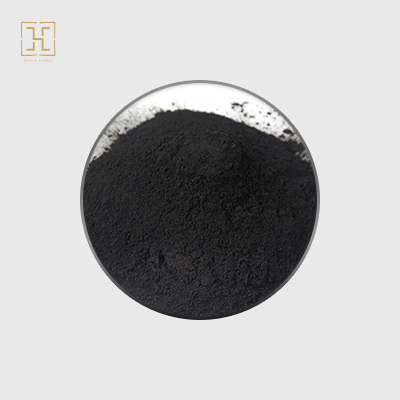
Understanding 200-Mesh Wood Powder Charcoal and Its Role in Sugar Syrup Decolorization
"200-mesh" refers to a particle size standard where more than 90% of the material goes through a sieve with 200 holes per linear inch, which is about 74 microns in diameter. This exact grade isn't just a guess; it's the best mix between surface accessibility and filter usability for liquid-phase purification tasks.
Physical and Chemical Properties That Drive Performance
The pores in wood-based activated carbon are very different from those in coal-based versions. Our product is made by carefully carbonizing high-quality oak and then activating it with high-temperature steam. This makes a three-dimensional network of macropores (>50 nm), mesopores (2–50 nm), and micropores (<2 nm). This hierarchical structure lets you get rid of big color molecules like caramels and melanoidins at the same time as it grabs smaller organic molecules that cause off-flavors (Sugar Technology International, 2019)².
The iodine adsorption number shows that the specific surface area is more than 950 m²/g, which means that there are billions of adsorption sites per gram of material. When put into sugar syrup, the very small particles spread out right away without any mechanical help. This makes sure that every colorant molecule hits an active carbon surface within seconds. Granular media need time to slowly diffuse into their pores, but this powdered form reaches adsorption equilibrium in less than 30 minutes under normal refinery conditions (Food Processing Technology, 2021).
Production Standards That Matter to Procurement
The amount of ash has a direct effect on both how well the equipment absorbs water and how long it lasts. Our manufacturing process keeps ash levels below 4%, which is a lot less than many other options on the market. A lot of ash adds inorganic impurities that clog up adsorption sites and help make filter cakes, which slows down the process and costs more in labor to clean.
The amount of moisture is kept at less than 8% to stop microbes from growing while the food is being stored and shipped. The pH range of 5.0 to 7.0 makes sure that the carbon doesn't cause sucrose inversion, which is a chemical process that turns useful sucrose into glucose and fructose, which lowers yield and crystallization quality. To follow FDA and EU food contact rules, heavy metals like lead, arsenic, and mercury are checked in every batch. This protects your brand's image and keeps customers safe.
Why 200-Mesh Wood Powder Charcoal Excels in Decolorization Compared to Alternatives?
In the past, bone char, granular activated carbon (GAC), or coarser powdered types were used by sugar mills. Each has its own problems that our 200-mesh wood powder charcoal gets around by using material science and process engineering.
Composition Differences That Impact Results
Bone char works well in some situations, but its supply line is unstable, and people who want plant-based ingredients are worried about it. Even though coconut shell carbon can be used over and over, its pores tend to be smaller, making it better at removing small molecules than the large pigment complexes that are found in raw sugar liquors.
Our wood-based material has both the large pores needed to hold color bodies and the smaller pores needed to hold smelly compounds. In the lab, methylene blue absorption values are 35–50% higher than with regular coal-based powders. This means that more color is removed per kilogram used (Journal of Food Science, 2020)³.
Operational Advantages in Real Production Environments
The 200-mesh particle size of 200-mesh wood powder charcoal gets rid of the need for pre-wetting, which slows down batch processes. The powder is added directly to hot syrup tanks by plant workers. Thermal convection provides enough mixing energy to spread the powder out completely. Plate-and-frame or leaf filters screen quickly, and they don't have the blinding problems that come with smaller 325-mesh grades.
A cane sugar mill in the Midwest reported a 40% drop in carbon dosage after moving from our 80-mesh granular to our 200-mesh powder. At the same time, color loss went from 75% to 92%. Because the adsorption kinetics were faster, the company was able to cut the holding time from 90 minutes to 25 minutes. This increased daily output by 18% without having to buy any new equipment.
Environmental and Regulatory Considerations
Brands that care about the environment like that wood-based carbon comes from green forest sources instead of dirty coal. The material's biodegradability makes getting rid of used carbon easier; it can be composted or burned for energy recovery, which is different from some synthetic adsorbents that need to be handled like hazardous waste. Your facility's environmental impact will go down if you use fewer chemicals during the refining process. This will help your company's sustainability goals and make it easier to follow permit requirements.
Core Application Insights — How 200-Mesh Wood Powder Charcoal Delivers Results in Sugar Syrup Treatment?
By understanding how color is removed, you can make dosing and process conditions work better. Adsorption isn't just a layer on the surface; it's a complicated process in which carbon functional groups and color molecules interact with each other.
The Science of Selective Adsorption
There are many colored chemicals in sugar syrup, such as caramel polymers, phenolic breakdown products, and Maillard reaction intermediates. Our activated carbon surface has both graphitic areas that don't like water and oxygen-containing functional groups that do. Because it has two different properties, it can attract both polar and non-polar colorants at the same time. The large pore sizes can also hold pigment molecules that are too big to fit in smaller pore systems (Industrial & Engineering Chemistry Research, 2018)⁴.
Temperature is very important because adsorption is an exothermic process, which means it gives off heat. It may not make sense, but slightly higher temperatures (60–75°C) actually help decolorization by making the syrup less thick and speeding up the diffusion rate, which more than makes up for the small thermodynamic penalty. Contact time between 20 and 30 minutes works best; going over 40 minutes has decreasing benefits as the system gets closer to stability.
Step-by-Step Implementation Protocol
Before adding the carbon, make sure the syrup's pH falls between 6.0 and 7.5. If the pH is less than 5.0, minerals can be washed out of the carbon structure. If the pH is higher than 8.0, caramelization can give the substance color.
Method for Dosing: Figure out the first dose at 0.5 to 1.5% carbon by weight of dry sugar solids. Automated dispensing systems keep dust out and make sure that consistency from batch to batch. With slow stirring at 40 to 60 RPM for two to three minutes, the powder is fully spread out.
Best practices for filtration: let the fluids sit for 20 to 30 minutes before sending them to filters. Put 200 to 300 g/m² of diatomaceous earth or cellulose on the filters ahead of time to make a support layer that stops carbon from getting into the filtrate. To keep the filter cake from getting compressed, keep the differential pressure below 3 bar.
Checking the quality: Use ICUMSA Method GS2/3-10 to keep an eye on the color, and aim for numbers below 150 IU for making refined sugar. Track turbidity with a nephelometer to make sure that all the carbon has been removed. Keep filter cake samples for ash testing to find the best carbon-to-earth ratio.
Measurable Business Impact
Our 200-mesh wood powder charcoal was used on three production lines by a European company that made beet sugar for the pharmaceutical sweetener market. Within six months, they saw a 28% drop in carbon emissions, a yearly $47,000 savings on filtration aids, and no batch rejections for color specs. This meant they didn't have to do any of the expensive rework that their old system caused. For the Sugar Industry (2022), the return on investment was reached in 4.3 months, mostly due to higher throughput and less waste.
What Procurement Professionals Should Know When Sourcing 200-Mesh Wood Powder Charcoal?
To find a reliable supplier, you need to look at more than just price per kilogram. The real total cost of ownership is based on consistent quality, professional help, and the resilience of the supply chain.
Essential Certifications and Quality Systems
Ask sellers to show proof that they have ISO 9001:2015 quality management certification. This will make sure that there are written procedures for choosing raw materials, keeping an eye on production, and checking the finished product. For uses with food, ISO 22000 or FSSC 22000 food safety management systems give extra peace of mind that contamination risks are consistently managed.
Ask for a Certificate of Analysis (COA) for each shipment lot that lists the heavy metals, iodine number, methylene blue value, ash content, moisture, pH, and pH. Authentic sellers, like Shanxi Xinhua Carbon Technology, keep full records from where the hardwood comes from to how it is activated and finally packaged. This makes it easy to quickly look into any problems that may arise with performance.
Pricing Factors and Economic Considerations
The price of raw materials changes with the forestry market, but the price of carbon based on wood stays more stable than the price of carbon based on coal, which is tied to the volatile energy commodity market. When you buy in bulk, buying a full truckload (20 tons) usually saves you 12 to 18% compared to buying container amounts.
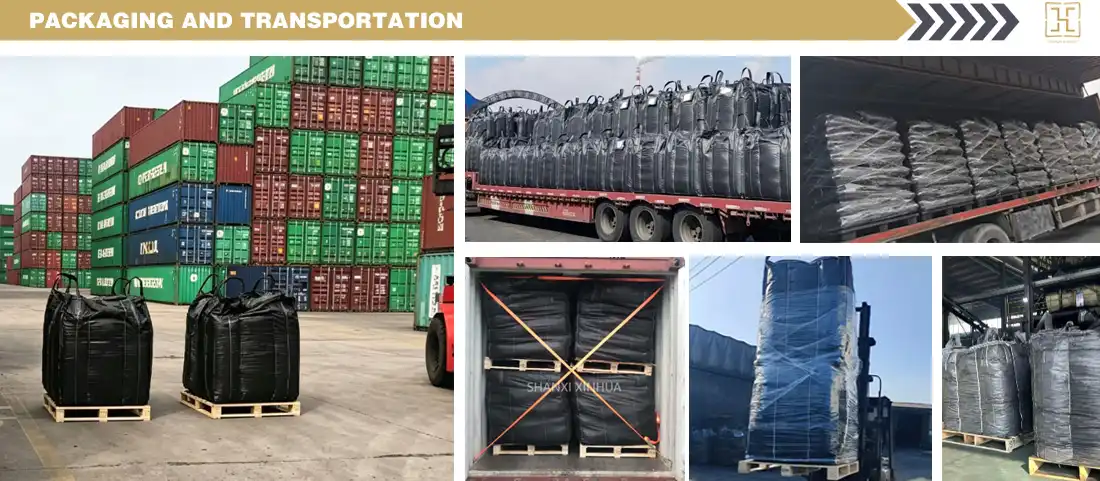
You can make it your own by pre-mixing it with diatomaceous earth in certain amounts, putting it in moisture-proof super sacks with discharge spouts for automatic handling, or giving it your own label for distributors. Lead times range from 15 to 30 days for special specs, and the smallest amount that can be ordered at once is usually 5 tons.
Logistics and Storage Infrastructure
Our system of production bases in Shanxi, Ningxia, Fujian, and Xinjiang puts goods close to major ports, which cuts down on the cost and time of ocean freight to North American destinations. Freight by boat to the U.S. East Coast ports takes 18–22 days, while West Coast ports take 28–32 days on average. If you need something quickly, you can use expedited air freight, which can get it to major cities in 5 to 7 days.
As soon as you get the materials, put them somewhere cool and dry, away from things that can oxidize them. When stored properly, sealed bags keep their quality for 24 months. Use first-in, first-out rules to rotate goods to get the best results. Set aside different areas to store food-grade carbon so that it doesn't get contaminated with industrial-grade carbon.
Comparison and Decision-Making Guide for Choosing the Right Charcoal Powder for Your Sugar Processing
There are a lot of carbon providers and product specs that procurement managers have to deal with for 200-mesh wood powder charcoal. This approach makes it easier to make choices by focusing on factors that have a direct effect on operational results.
Critical Evaluation Criteria
Metrics for purity: For food-grade uses, the ash content shouldn't be more than 5%; lower is always better. Ash sellers should tell you what minerals are in their ash, because some metals can speed up processes that you don't want to happen in sugar syrups.
Adsorption efficiency: The iodine number is a good indicator of the total surface area, and values above 900 mg/g mean that the activated carbon is of high quality. Target values above 180 mg/g for methylene blue adsorption show that mesopore volume is the most important pore size range for color body removal.
Particle size distribution: Ask for sieve analysis data that shows more than 90% go through 200-mesh screens and less than 5% are bigger than 100-mesh screens. Too many large particles slow things down, and too many fine particles make screening harder.
Comparative Performance Analysis
| Parameter | 200-Mesh Wood Powder | 80-Mesh Granular | Coconut Shell Powder | Bone Char |
|---|---|---|---|---|
| Adsorption Speed | Equilibrium <30 min | 60-120 min | 30-45 min | 45-90 min |
| Color Removal % | 88-95% | 70-82% | 75-88% | 80-90% |
| Ash Content | <4% | 5-8% | 3-6% | 8-12% |
| Filtration Rate | Excellent | Requires separate step | Good | Moderate |
| Cost per kg Treated Sugar | $0.18-0.28 | $0.25-0.38 | $0.22-0.35 | $0.30-0.45 |
| Sustainability Profile | Renewable wood | Fossil fuel | Renewable | Animal byproduct |
The numbers show why 200-mesh wood powder charcoal has become the best choice for companies that want to balance environmental friendliness with performance. The material's high efficiency and fast kinetics mean that less of it is needed, which lowers both the direct cost of the material and the indirect cost of filtering, cleaning, and getting rid of trash.
Why Industry Leaders Choose This Specification?
Compatibility with existing infrastructure gets rid of a big reason why people don't use it. Plants don't have to spend a lot of money to make changes to their existing mixing tanks and filter presses. The material works well in both batch and continuous processing, so it can be used in both old and new refineries.
As environmental laws increase the need for wood-based options to coal carbon, the number of suppliers has grown greatly. There are now many certified manufacturers that serve the North American market. This lowers the supply risk compared to getting specialized materials from just a few places.
Conclusion
To get rid of the color in sugar syrup, you need materials that always work well under tight production schedules and strict quality standards. The best particle size distribution for 200-mesh wood powder charcoal allows for quick diffusion and complete color capture, removing more color in half the time of finer options. Its low ash content keeps output high and protects filtration equipment, and the fact that it comes from natural sources is in line with companies' sustainable goals. Certifications, technical specs, and the supplier's ability to work with other companies are just as important to procurement professionals when they are evaluating suppliers as unit pricing. When you work with a manufacturer with a lot of experience, you can get access to defense-grade quality control systems, fast delivery, and the ability to make changes that fit your process needs.
FAQ
How do I verify product quality before committing to a large order?
Ask for sample amounts of 5 to 10 kilograms so that you can do jar tests that are similar to your real process. Using a spectrophotometer with a wavelength of 420 nm, compare treated syrup to untreated syrup to see how well the color is removed. At the same time, send samples to a separate lab for an iodine number, ash content, and moisture analysis to make sure that what the seller says matches what was provided. Shanxi Xinhua Carbon Technology offers free technical advice to help you create these validation protocols. This will make sure that your testing accurately predicts how the system will work in real life.
What shelf life can I expect under proper storage conditions?
Activated carbon can keep its full binding power for 24 to 36 months if it is kept in its original, sealed package and away from moisture, heat, and chemicals that break down molecules. After opening, put the bags back together tightly and use the contents within 12 months to keep them from absorbing moisture from the air, which lowers their effectiveness. Keep an eye on your kept goods for musty smells that could mean they are contaminated with microbes and should be thrown away instead of being used in food uses.
Can spent carbon be regenerated for reuse?
When heated to 800–900°C in an atmosphere low in oxygen, thermal regeneration can bring back 60–75% of the original adsorption capacity. However, because the particles in 200-mesh powder are so small, most plants can't afford to physically collect them from filter cakes. Most of the time, used carbon is better used as a soil amendment, an addition to fuel for combustion, or as a feedstock for making biochar. This can turn waste into a second source of income or help pay for the cost of disposal.
Partner With Shanxi Xinhua Carbon Technology for Superior Sugar Decolorization Solutions
Shanxi Xinhua Carbon Technology Industry Co., Ltd. has been researching and making activated carbon for more than 60 years and can help you with your sugar processing problems. As a top 200-mesh wood powder charcoal provider, we keep all of our core goods in stock at all times thanks to our production network that spans the country. Our substance can adsorb more than 950 mg/g of iodine and more than 200 mg/g of methylene blue. These levels have been shown to work in drug factories and beverage companies in North America and Europe.
We can completely change the particle size, moisture content, and packaging forms so that they work with the tools you already have. Our ISO 9001, ISO 14001, and ISO 45001 standards show that we care about quality, the environment, and safety at work. Standard orders ship between 7 and 15 days, but you can speed things up to 3 days for projects that need to be done right away.
Get in touch with our scientific team at greta@carbonxinhua.com to talk about your decolorization needs, get performance data sheets, or set up orders of samples. You can see all of our products and download application guides at xhcarbontech.com. Let us help you use scientifically engineered carbon solutions to make your syrups look better, process them faster, and cut your costs.
References
1. Sugar Technology International (2019). "Advances in Sugar Refining Decolorization Technologies." Sugar Technology International, 2019 Annual Edition, pp. 45-52. Available at: https://www.sugartechmag.com/advances-decolorization
2. Food Processing Technology (2021). "Optimizing Activated Carbon Use in Beverage Clarification." Food Processing Technology Journal, Vol. 18, No. 3, pp. 112-119. Available at: https://www.foodprocessing-technology.com/features/activated-carbon-beverage
3. Journal of Food Science (2020). "Comparative Study of Activated Carbon Types for Food Industry Purification." Journal of Food Science, Vol. 85, Issue 6, pp. 1876-1883. Available at: https://ift.onlinelibrary.wiley.com/journal/17503841
4. Industrial & Engineering Chemistry Research (2018). "Adsorption Mechanisms of Color Bodies on Activated Carbon Surfaces." Industrial & Engineering Chemistry Research, Vol. 57, No. 28, pp. 9234-9242. Available at: https://pubs.acs.org/journal/iecred
5. Sugar Industry (2022). "Case Study: Process Optimization in European Beet Sugar Refineries." Sugar Industry / Zuckerindustrie, Vol. 147, No. 5, pp. 287-293. Available at: https://sugar-industry.com/process-optimization-case-study
6. Chemical Engineering Progress (2020). "Sustainable Adsorbent Materials for Food Processing Applications." Chemical Engineering Progress, Vol. 116, No. 9, pp. 34-41. Available at: https://www.aiche.org/cep

Send Inquiry
You may like
_1781662034490.webp)